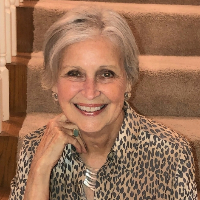
About Carolyn
Dr. Carolyn Greenleaf is a Licensed Clinical Social Worker practicing in Texas. She has provided psychotherapy and crisis intervention since 1979, bringing four decades of experience to conversations about stress, grief, addiction, and trauma.
Her background means many people meet her after hard events or when life feels overwhelming. Her approach is straightforward and interactive. Sessions focus on building a respectful, person-centered relationship while using practical tools from cognitive-behavioral and solution-focused methods.
Background and approach
She helps people spot and change unhelpful thinking and habits, and works with them to set small, achievable steps forward. Therapy sessions often include direct talk, gentle challenge, and occasional humor to ease difficult material. She pays attention to how past family patterns and life transitions shape daily struggles.
For parents and caregivers she addresses fatigue, role strain, and family-of-origin concerns in clear, concrete ways. Dr. Greenleaf also supports people facing end-of-life issues, hospice and bereavement concerns, and caregiver stress.
Veterans, first responders, and those coping with disaster-related stress are within her experience. She listens for the story beneath the symptoms and helps people find practical ways to cope. People who prefer a candid, experienced clinician tend to do well with her style.
Her sessions aim to be direct but warm, helping people regain footing after loss, crisis, or long-term patterns of worry and self-doubt.
How her approaches work in online therapy
Client-Centered Therapy focuses on building a respectful, collaborative relationship. The therapist listens without judgment and helps people feel heard while they name what matters most. This approach supports issues like low self-esteem, grief, and life purpose by starting from the client’s own experience.Cognitive Behavioral Therapy, or CBT, looks at the link between thoughts, feelings, and actions. It uses clear exercises to identify unhelpful thinking and replace it with more helpful habits. CBT is often used for anxiety, depression, and stress-related problems.
Finding the right approach is part of the work together. The therapist will talk with each person about their needs and goals, then suggest an approach or blend of methods. Decisions are made collaboratively and can change as progress is made.
Online sessions are offered by phone, video call, live chat, or text-based messaging to make therapy more flexible. Video calls allow face-to-face conversation, phone sessions can be easier when bandwidth is limited, chat is useful for brief check-ins, and text messaging supports ongoing reflection between sessions. These options help people fit therapy into busy lives and maintain momentum between meetings.
Frequently asked questions
What concerns does she help with?
What is her therapeutic style like?
How long has she been practicing?
What credentials and region apply to her practice?
Which languages are available for sessions?
Can international clients work with her?
What formats do sessions come in?
How are costs and starting steps handled?
Specialties and expertise
Top specialties
Also works with
- Abandonment
- ADHD
- Aging and geriatric issues
- Caregiver issues and stress
- Codependency
- Compassion fatigue
- Coping with life changes
- Coping with natural or human-caused disaster
- Depression
- Emptiness
- Family conflicts
- Family of origin issues
- Family problems
- First responder issues
- Forgiveness
- Grief
- Guilt and shame
- Hospice and end-of-life counseling
- Intimacy-related issues
- Life purpose
- Midlife crisis
- Mood disorders
- Parenting issues
- Personality disorders
- Post-traumatic stress
- Relationship issues
- Self esteem
- Self-love
- Sexual assault and abuse
- Veteran and Armed Forces Issues
- Women's issues
- Workplace issues
Therapeutic approaches
- Experience
- 40 years
- Licensed
- Texas
- Languages
- English