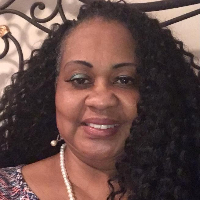
About Carolyn
Dr. Carolyn Curry welcomes people who are facing major life changes, grief, low self-esteem, or stress from caregiving and work. She writes in a direct, calm way and focuses on practical steps people can use right away.
Dr. Curry has 38 years of experience as a licensed clinical social worker, and she draws on that background to guide conversations toward manageable goals. Her sessions are conversational and goal-oriented.
She listens first, then helps clients set realistic next steps.
Background and approach
Many sessions look at thinking patterns, daily habits, and small behavior changes that add up over time. Dr. Curry works with concerns such as relationship strain, career uncertainty, compassion fatigue, and life transitions.
She also supports people facing aging and geriatric issues, chronic illness, body image concerns, caregiving stress, and end-of-life questions. Her approach blends client-centered work with tools from cognitive behavioral therapy and motivational interviewing. That means she centers each person’s values and then uses structured techniques to shift thoughts and actions when useful.
Clients often focus on immediate problems and practical solutions, while also exploring longer-term meaning and life purpose. Dr. Curry aims to help people build clearer goals, improve communication, and find ways to care for themselves during hard seasons.
She practices in Georgia and conducts sessions in English. Her background as an LCSW and decades of practice inform a steady, experienced style that emphasizes compassion and realistic steps forward.
How her approaches translate to online therapy
Dr. Curry uses client-centered work and cognitive behavioral therapy to guide sessions. Client-centered therapy means the conversation focuses on the person’s priorities and values while the therapist listens and reflects. Cognitive behavioral therapy looks at how thoughts affect feelings and behavior, and then uses practical exercises to test and change unhelpful patterns.Finding the right approach is collaborative. She will work with each person to decide which methods fit their goals and preferences, and may combine approaches as needs change. The first few meetings are often used to clarify what matters most and to plan small, doable steps forward.
Online formats include video calls, phone sessions, live chat, and text-based messaging, which offers flexibility for different days and routines. Video calls let people use visual cues and longer discussions. Phone sessions can be simpler when bandwidth is limited. Live chat and text-based messaging suit quick check-ins, brief coaching, or people who prefer typed communication. These options make it easier to fit sessions into work breaks, caregiving schedules, or travel, while keeping the focus on practical progress and steady support.
Frequently asked questions
What concerns does she commonly help with?
What is her general therapy style?
How long has she practiced?
What credentials and location information are provided?
Are sessions offered in other languages or internationally?
In what formats can sessions take place?
How does pricing work for sessions?
What should I do to begin working with her?
Specialties and expertise
Top specialties
Also works with
- Aging and geriatric issues
- Body image
- Career difficulties
- Caregiver issues and stress
- Chronic pain, illness, and disability
- Co-morbidity
- Codependency
- Communication problems
- Compassion fatigue
- Emptiness
- Family problems
- Forgiveness
- Hospice and end-of-life counseling
- Isolation / loneliness
- Life purpose
- Relationship issues
- Self-love
- Women's issues
- Workplace issues
Therapeutic approaches
- Experience
- 38 years
- Licensed
- Georgia
- Languages
- English