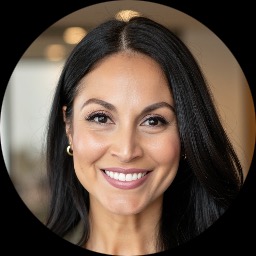
About Carmen
Dr. Carmen Arbogast helps people facing stress, anxiety, relationship challenges, and the heavy weight of past trauma. She works with individuals who feel stuck by sleeping problems, addiction, or low self-esteem.
Dr. Arbogast communicates plainly and aims to make sessions feel practical and focused on daily life. She holds a Licensed Clinical Social Worker credential, LCSW, in Texas.
Her approach blends clear tools and steady support. She uses Cognitive Behavioral Therapy to identify unhelpful thoughts and change day-to-day habits.
Background and approach
Dialectical Behavior Therapy provides concrete skills for managing intense emotions and improving relationships. Eye Movement Desensitization and Reprocessing is offered for people who carry strong reactions from past trauma. Dr.
Arbogast also draws on mindfulness and motivational interviewing to help clients build lasting coping strategies and find motivation for change. Sessions aim to strengthen communication, reduce isolation, and address issues like codependency or caregiver stress. She frames therapy as collaborative work where clients set goals and choose practical steps.
She has three years of professional experience and works in Texas. Dr. Arbogast supports clients in both English and Spanish.
She mentions experience with veterans, people recovering from addiction, and those dealing with life transitions. To begin, clients use an online matching process and then schedule sessions based on availability. Therapy is delivered through multiple formats to fit different routines and needs.
Therapeutic approaches used in remote sessions
Dr. Arbogast commonly uses Cognitive Behavioral Therapy and Eye Movement Desensitization and Reprocessing in online work. Cognitive Behavioral Therapy helps people spot and change unhelpful thoughts and behaviors, which can reduce anxiety and improve mood. EMDR focuses on reducing the intense emotional charge of traumatic memories so they feel less overwhelming in daily life. She also draws on Dialectical Behavior Therapy when needed to teach concrete skills for emotion regulation and better communication. Choosing an approach is a shared process - the therapist and client review goals, preferences, and what has or hasn’t helped before. Together they try strategies that fit the client’s current needs and adjust as progress is made. Online formats include video calls, phone sessions, live chat, and text-based messaging to make therapy more flexible. Video is useful for in-depth conversations and guided exercises, while phone sessions can work when someone needs lower bandwidth or a shorter check-in. Live chat and text messaging are helpful for ongoing support between sessions or when a quick check-in during a busy day is needed.Frequently asked questions
What concerns does this therapist address?
How would you describe the therapy style?
What is Dr. Arbogast's background?
What are the therapist's credentials and location?
Which languages are supported for sessions?
What session formats are available?
How is cost handled for sessions?
What do I need to do to start therapy?
Specialties and expertise
Top specialties
- Stress, Anxiety
- Relationship issues
- Trauma and abuse
Also works with
- Addictions
- ADHD
- Anger management
- Avoidant personality
- Bipolar disorder
- Blended family issues
- Career difficulties
- Caregiver issues and stress
- Coaching
- Codependency
- Communication problems
- Compassion fatigue
- Coping with life changes
- Coping with natural or human-caused disaster
- Dependent personality
- Depression
- Divorce and separation
- Domestic violence
- Drug and alcohol addiction
- Eating disorders
- Family conflicts
- Family problems
- Immigration issues
- Isolation / loneliness
- Life purpose
- Mood disorders
- Parenting issues
- Personality disorders
- Post-traumatic stress
- Self esteem
- Self-love
- Sleeping disorders
- Veteran and Armed Forces Issues
- Workplace issues
Therapeutic approaches
- Experience
- 3 years
- Licensed
- Texas
- Languages
- English, Spanish