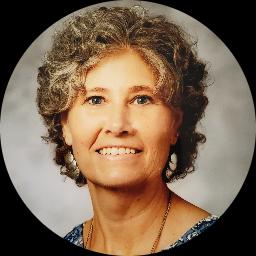
About Carla
Carla Moore-McNeil is a licensed clinical social worker in North Carolina with 27 years of professional experience. She draws on that long practice to help people facing stress, anxiety, grief, low self-esteem, depression, and big life changes. Carla believes each person knows their story best.
She treats clients as partners and looks for strengths to build on. Sessions are practical and focused on small, steady steps toward clearer goals and better day-to-day functioning.
Background and approach
Her work also addresses aging and geriatric concerns, cancer-related adjustment, eating and food-related issues, feelings of emptiness, money and financial stress, mood disorders, self-love, and challenges common in young adulthood. She adapts strategies to each person’s situation rather than using a single fixed plan.
Carla uses a mix of approaches such as Acceptance and Commitment Therapy - ACT, Cognitive Behavioral Therapy - CBT, Eye Movement Desensitization and Reprocessing, hypnotherapy, and mindfulness-based techniques. She explains methods plainly and helps people try what fits their needs. People who prefer a calm, steady guide may find her approach useful.
She focuses on realistic tools, coping skills, and clearer thinking so people can manage symptoms and move toward goals. The tone in sessions is respectful, practical, and goal-oriented.
Therapeutic approaches you can use online
Acceptance and Commitment Therapy, or ACT, focuses on helping people notice difficult thoughts and feelings without getting stuck in them. It helps clarify values and build small habits that move someone toward a more meaningful life. Cognitive Behavioral Therapy, or CBT, looks at thoughts and behaviors that keep problems going and teaches practical skills to change them, which can ease anxiety and depression. Eye Movement Desensitization and Reprocessing, EMDR, is a structured method that can reduce the intensity of painful memories and strong emotional reactions.Choosing the right approach is part of the work. The therapist will talk with each person about goals, preferences, and past experiences. Together they decide which methods to try and adjust the plan over time based on what helps most.
Online therapy with video calls, phone sessions, live chat, or text-based messaging makes it easier to fit sessions into a busy life. Video calls allow face-to-face conversation and visual cues. Phone sessions work well when lower bandwidth or no camera is preferred. Live chat and text messaging provide brief check-ins or a way to work through things between meetings. These options increase flexibility and help people keep therapy consistent with daily routines.
Frequently asked questions
What concerns does she help with?
What is her approach in sessions?
How much experience does she have?
Where is she licensed and how is that listed?
Which languages are supported for sessions?
What session formats are available?
How is cost handled for sessions?
How do I begin working with her?
Specialties and expertise
Top specialties
Also works with
- Aging and geriatric issues
- Cancer
- Coping with life changes
- Depression
- Eating and food-related issues
- Emptiness
- Life purpose
- Money and financial issues
- Mood disorders
- Self-love
- Young adult issues
Therapeutic approaches
- Experience
- 27 years
- Licensed
- North Carolina
- Languages
- English