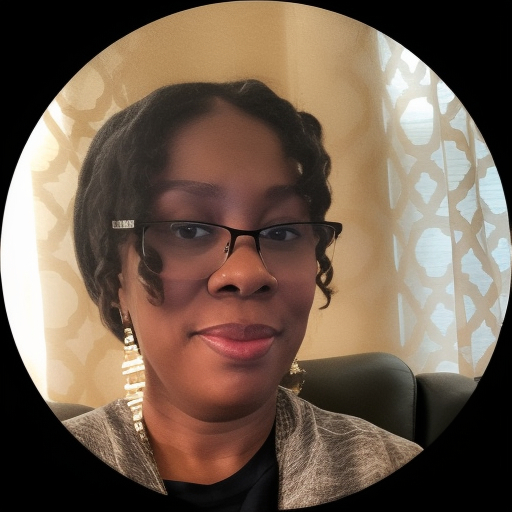
About Carla
Carla Davis is a licensed clinical social worker based in Illinois with eight years of experience. She focuses on helping people navigate major life changes, relationship strain, and struggles with addiction. Carla aims to create a calm, practical space where clients can talk through what matters most to them.
Carla often helps clients who are facing family problems, separation, or blended family challenges. She also supports people dealing with chronic illness, fertility and pregnancy concerns, and the fallout from betrayal or abandonment.
Background and approach
Conversations in sessions tend to be straightforward and goal oriented, so people leave with clear next steps. Her background includes work with issues around drug and alcohol addiction, domestic violence, and HIV/AIDS. She brings eight years of hands-on practice to these concerns and draws on approaches that are grounded in research.
Sessions focus on building resilience, practical coping skills, and better communication within relationships. Carla also pays attention to career stress and life purpose when those areas are causing distress. She assists clients in sorting priorities, planning changes, and managing workplace strain.
The tone of therapy is collaborative and focused on what a person can do between sessions. People meet Carla for short-term problem solving or longer work on deeper wounds like forgiveness and self-love. She aims to help each person find sustainable routines and clearer boundaries.
Counseling is offered in English and delivered through a mix of video, phone, chat, and messaging formats.
Research-based approaches and online care
Carla uses evidence-based therapeutic techniques that focus on practical change and emotional healing. One approach she often uses emphasizes skills for managing cravings and building healthier routines for people dealing with drug or alcohol addiction, helping clients set clear goals and small steps toward recovery.Another common focus is work on relationship patterns and communication. This includes helping a person identify unhelpful interaction cycles, practice clearer requests, and rebuild trust after events like infidelity or separation. These tools are useful for repairing relationships and improving day-to-day interactions.
Choosing the right approach is a collaborative process. The therapist and client review needs, goals, and preferences and then try methods that fit the situation. Adjustments are made along the way so the plan stays practical and relevant to the persons life.
Online sessions are offered by video call, phone, live chat, or text-based messaging to make therapy easier to fit into busy lives. Video is good for a full session with visual cues, phone works well when bandwidth is limited, live chat can be a quick check-in, and text messaging supports ongoing brief contact between sessions. These options help people maintain continuity of care while balancing work, parenting, or health demands.
Frequently asked questions
What concerns does she commonly address?
What is her general therapeutic style?
How much experience does she have?
What credentials and location are listed?
Which languages are sessions offered in?
What session formats are available?
How is cost handled?
How do I begin therapy with her?
Specialties and expertise
Top specialties
- Addictions
- Relationship issues
- Family conflicts
Also works with
- Abandonment
- Adoption and foster care
- Blended family issues
- Career difficulties
- Chronic pain, illness, and disability
- Divorce and separation
- Domestic violence
- Drug and alcohol addiction
- Family problems
- Fertility issues
- Forgiveness
- HIV / AIDS
- Infidelity
- Life purpose
- Parenting issues
- Pregnancy and childbirth
- Self-love
- Women's issues
- Workplace issues
- Experience
- 8 years
- Licensed
- Illinois
- Languages
- English