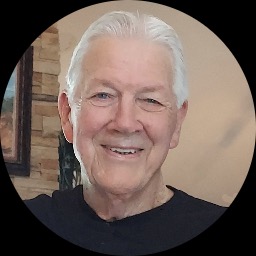
About Burton
Burton "Burt" Swaim helps people who are feeling stuck by offering steady, experienced support. He is a licensed clinical social worker - LCSW - with five decades of practice. Burt focuses on practical steps so people can move toward clearer goals and more calm days.
Burt helps with stress and anxiety, depression, low self-esteem, and difficulties with intimacy. He also works with addiction concerns and with grief after loss. Many clients come in wanting help with relationships, life changes, anger, or past trauma and abuse.
Background and approach
In sessions he creates a nonjudgmental space where thoughts and feelings can be talked through. He asks questions, listens closely, and encourages clients to set clear, achievable goals. Work in therapy often includes identifying hidden potential and challenging unhelpful beliefs that get in the way.
Burt draws on client-centered approaches that keep the person’s experience central. He also uses cognitive behavioral ideas to help change patterns of thinking and behavior, and existential ideas to talk about meaning and life choices. Together these approaches guide practical steps and deeper reflection.
Burt has a long history of work in addiction recovery and related public education projects. He has co-produced documentary films about recovery and taught on alcohol studies topics. That experience informs his approach to motivation and long-term change.
He practices in Utah and conducts sessions in English. Burt encourages active participation from clients and helps them plan the work and timing of therapy so it fits their lives.
Approach and Practical Online Care
Client-centered therapy focuses on the person in the room, offering listening and empathy while the client leads the pace and topics; it helps when someone needs acceptance and clearer self-understanding. Cognitive behavioral therapy, often called CBT, looks at patterns of thinking and behavior and introduces small practical changes to reduce anxiety or depressive symptoms and improve coping. Existential therapy examines life choices, meaning, and responsibility, which can be useful when people face major life transitions or questions about purpose and direction.Choosing the right approach is a collaborative process. The therapist will talk with the client about their goals, preferences, and what feels most helpful. Over the first sessions they will try methods that match the client’s needs and adjust the plan together as progress is made.
Online therapy offers flexibility for busy schedules and varied needs. Video calls let people use visual cues and a fuller interaction, while phone sessions need less bandwidth and can fit a short break at work. Live chat and text messaging are useful for quick check-ins, writing through thoughts, or when someone prefers not to be on camera. These options make it easier to keep consistent work toward goals from wherever the client is located within Utah.
Frequently asked questions
What concerns does he commonly address?
What style of therapy can I expect?
How much experience does this therapist bring?
What are his credentials and where does he practice?
Which languages are supported for sessions?
What session formats are available?
How are costs handled for therapy?
How do I get started with therapy?
Specialties and expertise
Top specialties
Also works with
Therapeutic approaches
- Experience
- 50 years
- Licensed
- Utah, California
- Languages
- English