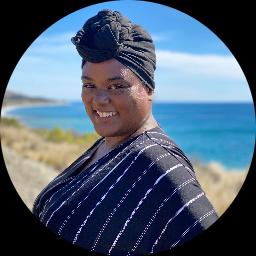
About Atavia
Atavia Jones offers a calm, steady presence for people feeling overwhelmed by stress, anxiety, grief, or major life shifts. She explains things plainly and helps clients make small, concrete changes that ease daily strain. Atavia is a Licensed Clinical Social Worker - LCSW with 12 years of experience and practices in California.
She focuses on mood concerns such as depression and anxiety, as well as self-esteem and postpartum depression. She also helps people cope with compassion fatigue, isolation, guilt, and forgiveness.
Background and approach
Sessions aim to clarify what feels most urgent and build practical steps forward. In meetings she creates a nonjudgmental space for people to speak honestly about difficult feelings. Conversations tend to be straightforward and goal-oriented while still leaving room to process emotions.
She helps clients identify patterns and practice new ways of responding to stress and relationship strain. Atavia supports those navigating caregiver stress, abandonment wounds, and struggles around life purpose and self-love. She works with people who want to improve communication, manage mood symptoms, or recover after loss.
The focus is on realistic actions that fit each person’s daily life. To begin, she asks questions about current concerns and priorities, then together they pick a path that feels manageable. The work is collaborative and paced to the client’s needs, with attention to both immediate relief and longer-term change.
Evidence-based techniques and online care
Atavia uses evidence-based therapeutic techniques that focus on clear skills and emotional processing. One common approach she relies on teaches practical coping skills for anxiety and mood regulation, helping people notice triggers and try small behavior changes to reduce symptoms. Another approach centers on grief and loss work, giving space to process painful feelings while finding ways to re-engage with daily life.Choosing the right approach is part of the work. The therapist collaborates with each person to identify goals, test methods, and adjust the plan as needed. This collaborative process helps match techniques to what the person values and what actually helps in day-to-day life.
Online options include video calls, phone sessions, live chat, and text-based messaging. Video is useful for deeper conversations and visual cues, phone works well when bandwidth is limited, chat can suit quick check-ins, and messaging supports brief reflections between sessions. These formats make therapy more flexible, so people can fit care into busy schedules and pick the mode that feels most comfortable.
Frequently asked questions
What concerns does this therapist help with?
How would you describe the therapy style here?
What background does the therapist have?
What are the therapist's credentials and location?
Are sessions offered in other languages or internationally?
Which session formats are available?
How does billing and cost work?
What are the first steps to begin therapy?
Specialties and expertise
Top specialties
Also works with
- Experience
- 12 years
- Licensed
- California
- Languages
- English