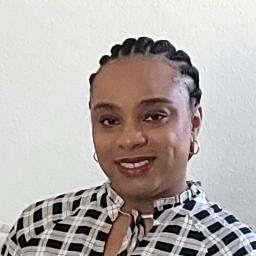
About Artrevisa
Artrevisa Payton is a licensed social worker with ten years of experience supporting adults in Texas. She holds a Licensed Independent Clinical Social Worker credential and a Licensed Clinical Social Worker credential and brings a calm, conversational style to sessions. She meets people where they are and helps them begin practical steps toward change.
Payton focuses on common struggles like stress, anxiety, low self-esteem, and depression. She also helps people cope with life changes, grief, career concerns, relationship and family problems, and compassion fatigue.
Background and approach
She has a background working with aging and geriatric issues, including hospice and end-of-life counseling. Her approach is straightforward and goal-oriented. She uses client-centered conversations to understand each person’s priorities.
Cognitive Behavioral Therapy techniques help identify unhelpful thoughts and try different responses. Mindfulness practices and solution-focused methods are used to build small, useful habits and clear next steps. Motivational Interviewing helps when someone feels stuck and unsure how to move forward.
Sessions are guided by the client’s goals and paced to fit their needs. People who prefer a relaxed, listening-first therapist will find her style approachable. She aims to validate how clients feel while offering doable strategies to reduce distress.
Artrevisa listens carefully and works collaboratively to help people take the next step toward feeling better.
How her approaches translate to online care
Client-Centered Therapy centers sessions on the person’s concerns and goals. In practice this means the therapist listens, reflects, and helps prioritize what matters most. Cognitive Behavioral Therapy focuses on identifying thoughts and small behavior changes that can reduce anxiety and improve mood; it works well for stress, low mood, and repetitive worry.Choosing an approach is part of the work together. The therapist will talk through options and adapt methods to each person’s needs and preferences. This is a collaborative process that can change over time as goals shift or progress is made.
Online formats make it easier to fit therapy into a busy life. Video calls allow face-to-face conversation and visual cues, phone sessions can be a good option when bandwidth is limited, and live chat or text messaging suit quick check-ins or ongoing support between sessions. These options give flexibility for scheduling, shorter check-ins, and different ways to engage with the tools and strategies discussed in therapy.
Frequently asked questions
What concerns does she address?
What is her therapeutic style like?
How much clinical experience does she have?
What credentials and location are listed?
Which languages are supported?
What session formats are available?
How is cost handled?
How do I begin therapy?
Specialties and expertise
Top specialties
Also works with
- Aging and geriatric issues
- Career difficulties
- Communication problems
- Compassion fatigue
- Coping with life changes
- Family conflicts
- Family problems
- Forgiveness
- Grief
- Hospice and end-of-life counseling
- Isolation / loneliness
- Life purpose
- Relationship issues
Therapeutic approaches
- Experience
- 10 years
- Licensed
- Texas, Alabama
- Languages
- English