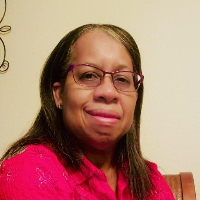
About Arlene
Arlene Bishop is a Licensed Clinical Social Worker who helps people facing stress, anxiety, depression, addiction, and parenting challenges. She writes care plans with each person and focuses on practical steps people can use right away. Her style is straightforward and warm, aimed at parents and adults who need clear support during difficult times.
Arlene brings 28 years of experience as a social worker in Florida. She draws on several approaches so sessions can be adjusted to what a person needs.
Background and approach
Typical concerns she addresses include mood disorders, trauma and abuse, relationship and intimacy issues, eating and sleeping problems, and work-related stress. In sessions she mixes problem-solving with emotional support. She uses tools from cognitive behavioral therapy to spot unhelpful thoughts.
She also uses skills from dialectical behavior therapy to manage strong feelings and reduce impulsive behaviors. Her work includes attention to parenting stress, caregiver fatigue, and grief. She also helps with more specific concerns like ADHD, bipolar disorder, postpartum depression, and cultural or immigration-related stress.
Treatment plans are practical and focus on doable changes at home and work. Arlene offers phone, video, chat, and text-based formats so people can fit therapy into busy lives. She asks people to complete a short questionnaire to get matched and then schedules sessions based on availability.
Her Florida license is FL LCSW SW10431.
How her approaches translate to online care
Client-Centered Therapy focuses on listening and understanding a person’s goals so sessions reflect what matters most to them. It helps people feel heard and guides the work toward practical changes. Cognitive Behavioral Therapy, or CBT, looks at thoughts and behaviors and offers tools to change patterns that worsen anxiety, depression, or sleep and eating problems. CBT is often used for mood and stress-related challenges. Dialectical Behavior Therapy, DBT, teaches emotional regulation, distress tolerance, and interpersonal skills to reduce intense reactions and impulsive behaviors.Choosing the right approach is part of the work together. The therapist will talk through goals, try methods that fit the situation, and adjust the plan based on what helps most. That collaborative process helps people find strategies they can use between sessions.
Online therapy formats include video calls, phone sessions, live chat, and text-based messaging. Video calls let people read facial cues and do longer conversations. Phone sessions can be a good option when bandwidth is limited or when someone prefers not to be on camera. Live chat and text messaging are useful for quick check-ins, brief coaching, or ongoing support between longer sessions. These options make it easier to fit therapy into a busy parent’s or professional’s schedule and keep work focused on measurable steps and coping skills.
Frequently asked questions
What concerns does this therapist help with?
What is her therapeutic style like?
How much experience does she have?
What are her credentials and where is she based?
Which languages are supported for sessions?
What session formats are available?
How does pricing work?
How do I begin working with her?
Specialties and expertise
Top specialties
- Addictions
- Trauma and abuse
- Parenting issues
Also works with
- Abandonment
- ADHD
- Anger management
- Antisocial personality
- Attachment issues
- Bipolar disorder
- Blended family issues
- Career difficulties
- Caregiver issues and stress
- Coaching
- Codependency
- Compassion fatigue
- Coping with life changes
- Depression
- Eating disorders
- Family conflicts
- Grief
- Hoarding
- Immigration issues
- Intimacy-related issues
- Multicultural concerns
- Paranoia
- Postpartum depression
- Prejudice and discrimination
- Relationship issues
- Seasonal Affective Disorder (SAD)
- Self esteem
- Sleeping disorders
- Stress, Anxiety
- Trichotillomania
- Veteran and Armed Forces Issues
- Young adult issues
Therapeutic approaches
- Experience
- 28 years
- Licensed
- Florida
- Languages
- English