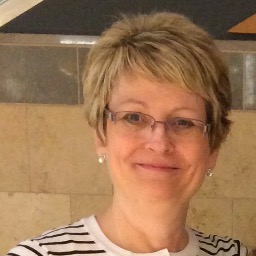
About Ann
Dr. Ann Bachmann is a licensed clinical social worker with decades of experience. She holds an LCSW and has practiced for 35 years, offering steady, practical help for people facing stress, anxiety, mood concerns, and life transitions.
She keeps sessions straightforward and kind. She listens first, then helps clients set clear, manageable goals. Conversations focus on what is happening now and what can be changed next.
That practical focus helps when feeling stuck or overwhelmed.
Background and approach
Her background includes work with attention differences, autism spectrum concerns, grief, parenting strain, and mood disorders such as depression and bipolar. She also supports people coping with caregiver stress, compassion fatigue, and relationship or intimacy-related problems. Sleeping troubles, panic, and postpartum concerns are within her experience as well.
In session she combines client-centered listening with tools from cognitive behavioral and mindfulness approaches. She also uses solution-focused strategies to help people try small, doable changes and notice what helps. The result is a mix of steady presence and concrete steps forward.
People who prefer calm, direct conversation tend to do well with her style. She works by helping clients discover strengths and build routines that reduce stress. Her practice in Missouri draws on decades of hands-on work rather than jargon or quick fixes.
How her approaches work in online sessions
Client-Centered Therapy focuses on listening and understanding the person first. The therapist reflects what the client says and helps them name goals and values, which is useful for stress, grief, and relationship concerns.Cognitive Behavioral Therapy (CBT) looks at how thoughts, feelings, and actions connect. In practice this means identifying unhelpful thinking, trying small behavior changes, and tracking what improves mood or anxiety. CBT is often helpful for worry, panic, sleep problems, and mood struggles.
Mindfulness Therapy teaches simple skills to notice thoughts and bodily sensations without judgment. These short exercises can reduce reactivity and help with anger, anxiety, and compassion fatigue.
Finding the right approach is part of the early work. The therapist will collaborate with each person to pick methods that match their goals, comfort level, and day-to-day life. That may mean combining listening, CBT techniques, and brief mindfulness practices over time.
Online sessions offer flexibility through video calls, phone sessions, live chat, and text-based messaging. Video is useful for deeper conversations and seeing nonverbal cues. Phone sessions can fit into a work break or require less bandwidth. Live chat and messaging are helpful for quick check-ins or when someone prefers shorter, written exchanges. These options make it easier to fit therapy into busy schedules while trying different ways of working.
Frequently asked questions
What concerns does Dr. Bachmann address?
How would you describe her therapy style?
What experience does she bring?
What are her credentials and practice location?
Which languages are supported?
What session formats are available?
How is cost handled?
How do I begin working with her?
Specialties and expertise
Top specialties
- Stress, Anxiety
- Relationship issues
- Self esteem
Also works with
- ADHD
- Anger management
- Autism and Asperger Syndrome
- Bipolar disorder
- Caregiver issues and stress
- Co-morbidity
- Communication problems
- Compassion fatigue
- Control issues
- Coping with life changes
- Depression
- Disruptive Mood Dysregulation Disorder (DMDD)
- Emptiness
- Family conflicts
- Family problems
- Forgiveness
- Grief
- Intimacy-related issues
- Mood disorders
- Panic disorder and panic attacks
- Parenting issues
- Postpartum depression
- Pregnancy and childbirth
- Self-love
- Sleeping disorders
- Social anxiety and phobia
- Veteran and Armed Forces Issues
Therapeutic approaches
- Experience
- 35 years
- Licensed
- Illinois, Missouri
- Languages
- English