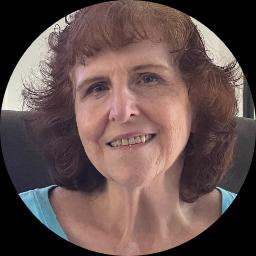
About Anita
Anita Morris is a licensed clinical social worker in California with ten years of clinical experience. She helps people who are feeling overwhelmed by anxiety, depression, stress, grief, and changes in life. Anita focuses on practical steps people can use right away to feel steadier and more capable.
She uses Cognitive Behavioral Therapy, which means conversations look at thoughts, feelings, and actions together. Sessions are collaborative and goal-oriented. Anita listens carefully and then helps people test new ways of thinking and acting that reduce distress.
Background and approach
Her work also addresses caregiver stress, chronic pain or illness, forgiveness, social anxiety, and self-esteem concerns. She uses everyday language and keeps sessions focused on tangible tools that fit each person’s life. Progress is measured by small, achievable changes rather than labels.
Anita aims to create a respectful, compassionate atmosphere where people can talk frankly about what’s hard. She avoids stigmatizing language and supports people in deciding what matters most to them. Her approach is interactive, not lecture-style.
People typically leave sessions with clear ideas to try between meetings. Anita helps set practical homework and checks in on what worked and what didn’t. Over time, those small steps add up to better coping and clearer choices.
How CBT and online sessions can help
CBT, or Cognitive Behavioral Therapy, focuses on how thoughts, feelings, and actions connect. It helps people notice unhelpful thinking patterns, test those thoughts, and try new behaviors. This approach can be useful for anxiety, depression, social anxiety, and stress-related problems.In sessions that address chronic pain or caregiver stress, CBT techniques help break cycles of worry and avoidance. The therapist and client set concrete goals, track small changes, and adjust strategies as needed. Work may include brief exercises between meetings to practice new skills in everyday situations.
Choosing the right approach is a shared process. The therapist will talk with the client about goals, preferences, and what has or hasn’t worked before. Together they decide whether CBT or a blended approach fits best and revise the plan over time based on progress.
Online therapy offers several practical benefits. Video calls let people meet face to face when travel is hard. Phone sessions require less bandwidth and can fit into a busy day. Live chat and text-based messaging support brief check-ins, homework review, or moments when writing feels easier than speaking. These options give flexibility so therapy can fit into real life.
Frequently asked questions
What issues does Anita help with?
What is her therapeutic style like?
What kind of experience does she have?
What are her credentials and where is she based?
Which languages are supported and can international clients join?
What session formats are available?
How does pricing work?
How do I begin working with her?
Specialties and expertise
Top specialties
Also works with
Therapeutic approaches
- Experience
- 10 years
- Licensed
- California
- Languages
- English