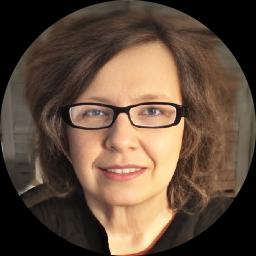
About Anita
Anita Aasen is a licensed clinical social worker with over 30 years of experience. She practices from New York and offers therapy in English. Anita focuses on practical help for people facing grief, anxiety, depression, stress, relationship problems, and addiction-related concerns.
Anita aims to make sessions feel straightforward and supportive. She listens without judgment and helps people identify steps that fit their life. She often combines talk-based work with problem-solving tools to address day-to-day struggles.
Background and approach
Her background includes long experience in substance abuse counseling and familiarity with 12-step and SMART Recovery approaches. Anita has focused work in grief, including certificates in grief-informed care and advanced grief counseling. She brings that experience to people coping with loss and life transitions.
Anita also uses cognitive behavioral ideas and mindfulness to help manage symptoms like anxiety, low mood, and sleeping problems. She draws on skills from client-centered therapy and solution-focused techniques to support immediate, practical change. The Gottman Method informs her approach to relationship work.
Sessions are offered through video, phone, live chat, and text messaging to fit different needs. She accepts international clients and tailors the pace and tools to each person’s goals. Anita aims to help people find resilience, small daily strengths, and clearer next steps.
How Anita’s Approaches Work Online
Client-centered therapy focuses on understanding each person’s priorities and values. The therapist listens carefully and uses the client’s own goals to guide sessions, which helps when navigating grief, life changes, or finding purpose.Cognitive behavioral therapy, or CBT, breaks down unhelpful thoughts and habits and replaces them with specific skills. It is useful for anxiety, depression, sleep problems, and stress because it teaches tools people can use between sessions.
Dialectical behavior therapy, or DBT, emphasizes emotion regulation, distress tolerance, and better communication. Those skills can help with strong emotions, relationship conflict, and coping with intense stress.
Choosing the right approach is a shared process. The therapist will talk with each person about their goals and preferences, try ideas in session, and adjust as needed. That collaborative process helps match tools to what is actually helpful for day-to-day life.
Online sessions make it easier to access ongoing support. Video calls allow face-to-face conversation and screen-sharing for exercises. Phone sessions work well when bandwidth or camera time is limited. Live chat and text messaging are useful for quick check-ins, short skill practice, or when someone prefers writing to speaking. These options give flexibility for scheduling, shorter check-ins during a busy day, and different ways to use therapy that fit a person’s routine.
Frequently asked questions
What concerns does Anita commonly address?
How would you describe her therapeutic style?
What kind of experience does she bring?
What credentials and location are listed?
In what languages are sessions offered and are international clients welcome?
Which session formats are available?
How does payment and cost work?
What are the first steps to begin therapy?
Specialties and expertise
Top specialties
Also works with
- Addictions
- ADHD
- Anger management
- Bipolar disorder
- Cancer
- Career difficulties
- Coaching
- Communication problems
- Compassion fatigue
- Coping with life changes
- Depression
- Family conflicts
- Family problems
- Hospice and end-of-life counseling
- Life purpose
- Multicultural concerns
- Parenting issues
- Postpartum depression
- Relationship issues
- Seasonal Affective Disorder (SAD)
- Self-harm
- Self-love
- Sleeping disorders
- Trauma and abuse
- Young adult issues
Therapeutic approaches
- Experience
- 30 years
- Licensed
- New York, Maine, Vermont, Utah
- Languages
- English