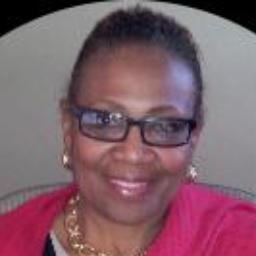
About Angela
Dr. Angela Montgomery Timmons brings four decades of social work experience to her practice in California. She holds an LCSW, which reflects long-term practice in community and clinical settings.
She focuses on helping people manage stress, anxiety, bipolar disorder, and depression. Her aim is to make beginning therapy feel straightforward and attainable. Her style is calm and nonjudgmental.
She encourages clients to speak freely and listens for what matters most to each person.
Background and approach
Sessions often center on practical steps that can be tried between meetings. Clients can expect clear, everyday language rather than clinical jargon. Dr.
Timmons draws on approaches that include client-centered methods, cognitive behavioral ideas, and mindfulness practices. She helps people notice unhelpful thinking patterns and try new ways of responding. Mindfulness tools are introduced to reduce reactivity and increase present-moment focus.
Many who come to her are coping with life changes, workplace stress, caregiver strain, or feelings of isolation. She also addresses issues around self-esteem, guilt, forgiveness, and finding life purpose. Work often blends emotional support with small behavioral experiments to test what works.
Therapy is collaborative and paced to each person’s needs. Dr. Timmons supports clients who are ready to make changes and prefers straightforward goals that can be measured over time.
She communicates clearly about options and next steps so the path forward is understandable.
Approaches that fit online care
Client-Centered Therapy focuses on listening and understanding each person’s experience. The therapist reflects back what she hears and helps people find their own solutions; this is useful when someone needs emotional support and a clear space to talk.Cognitive Behavioral Therapy looks at the link between thoughts, feelings, and actions. It breaks problems into small, testable steps and teaches practical strategies for anxiety, depression, and stress management.
Mindfulness Therapy teaches simple attention practices to reduce reactivity and increase calm. Short exercises can be used between sessions to help with mood and focus.
Finding the right combination of approaches is part of the work. The therapist collaborates with each person to choose methods that match goals, preferences, and daily life. Adjustments are made over time so the plan stays useful.
Online sessions make it easier to fit therapy into a busy schedule. Video calls allow face-to-face conversation and visual cues, phone sessions work when bandwidth is limited, and text or live chat suit quick check-ins or ongoing support. These formats give more flexibility for appointments, shorter follow-ups, and different ways to practice skills outside sessions.
Frequently asked questions
What concerns does she help with?
What is her general therapy style?
How much experience does she have?
What are her credentials and location?
Which languages are supported?
What session formats are available?
How does cost and billing work?
How do I begin work with her?
Specialties and expertise
Top specialties
- Stress, Anxiety
- Self esteem
- Bipolar disorder
Also works with
Therapeutic approaches
- Experience
- 40 years
- Licensed
- California
- Languages
- English