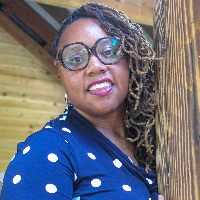
About Anchetta
Anchetta Sutton is a Licensed Independent Social Worker and a Licensed Clinical Social Worker who supports people facing stress, anxiety, depression, grief, anger, and self-esteem struggles. She also helps with relationship concerns, ADHD, coping with life changes, and parenting-related issues such as postpartum depression and challenges around pregnancy and childbirth. She works in South Carolina and speaks English.
Anchetta aims to make talking feel simple and direct. She creates a calm space where people can say what they need to say.
Background and approach
Sessions are conversational and focused on practical next steps rather than long theory-heavy talks. Her approach draws on client-centered care and cognitive-behavioral ideas to help people notice and change thought patterns that cause pain. She also uses solution-focused and mindfulness practices to build small, manageable habits that improve daily life.
She brings eight years of clinical social work experience and more than two decades in helping roles overall. That background informs a down-to-earth style that balances listening with actionable guidance. People who value faith-informed perspectives can mention that to bring faith into sessions.
Anchetta aims to tailor each meeting to a person’s goals, whether that means short-term coaching or ongoing therapy work.
Practical approaches for online care
Client-centered therapy focuses on creating a respectful, listening space where the person leads the conversation. This approach helps when someone needs acceptance and clearer thinking about their goals. Cognitive Behavioral Therapy, or CBT, looks at thoughts and behaviors that keep problems going and teaches concrete skills to change them; it can be helpful for anxiety, depression, and habit change.Choosing the right approach is a shared process. The therapist will talk with the person about goals, preferences, and what has or hasn’t worked before. Together they decide whether to focus on short-term problem solving, thought work, or mindfulness practices and then adjust as progress is made.
Online formats include video calls, phone sessions, live chat, and text-based messaging, which make it easier to fit therapy into a busy life. Video is useful for in-depth conversation and nonverbal cues, while phone calls work well when lower bandwidth is needed. Live chat or text sessions are good for quick check-ins, coaching-style support, or times when typing feels easier than speaking. These options give flexibility for different schedules and communication styles.
Frequently asked questions
What concerns does she help with?
What is her therapeutic style like?
How much experience does she have?
What credentials and location should I know?
Which languages are supported and can international clients be seen?
What session formats are available?
How is cost structured?
How do I begin working together?
Specialties and expertise
Top specialties
- Stress, Anxiety
- Relationship issues
- Family conflicts
Also works with
Therapeutic approaches
- Experience
- 8 years
- Licensed
- Florida, Virginia, North Carolina, South Carolina, Ohio
- Languages
- English