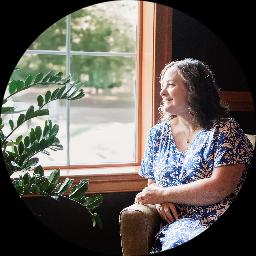
About Amanda
Amanda Caffey is a Licensed Clinical Social Worker who offers practical, down-to-earth support for people coping with stress, anxiety, grief, depression, and parenting strain. She practices from Wyoming and draws on five years of professional experience to help people manage life changes and everyday pressures. Her work centers on listening first.
She creates space for people to talk about what is hard and what matters to them. Amanda focuses on clear, doable steps so progress feels tangible rather than vague.
Background and approach
She uses methods from client-centered therapy and cognitive behavioral therapy to help people notice patterns and try new ways of responding. She also draws on psychodynamic ideas to explore how past experiences shape current feelings. Solution-focused strategies are used to set short-term goals and build momentum.
Amanda commonly supports people dealing with ADHD, caregiving stress, chronic illness, and the complex emotions around aging and end-of-life concerns. She also helps with attachment and abandonment worries, body image, guilt, and forgiveness work. Sessions aim to be collaborative.
Amanda asks questions, offers observations, and helps plan steps people can test between meetings. The focus is on finding what works for each person in the moment. People who value straightforward conversation and practical tools often find this approach useful.
Amanda draws on her LCSW background to guide sessions with respect and a steady focus on real-life change.
Therapeutic approaches adapted for online care
Client-centered therapy focuses on understanding each person’s perspective and building a trusting conversation. In practice this means the therapist listens closely, reflects back what she hears, and helps people name their priorities so sessions stay focused on what matters most.Cognitive behavioral therapy (CBT) looks at the links between thoughts, feelings, and actions. It uses clear exercises and experiments people can try between sessions to reduce anxiety, manage mood, or change unhelpful patterns. These tasks translate well to online formats where notes and worksheets can be shared electronically.
Finding the right approach happens together. The therapist will talk through goals, preferences, and past experiences to decide which methods to emphasize. That process is collaborative and can shift as needs change over time.
Online sessions offer practical flexibility. Video calls allow face-to-face conversation when visual cues are helpful. Phone sessions work well when bandwidth is limited or when not being on camera feels easier. Live chat and text-based messaging provide brief check-ins, step-by-step coaching, or homework support between longer sessions. These options make it easier to fit therapy into busy schedules and to continue work even when travel or daily demands make in-person visits difficult.
Frequently asked questions
What concerns does Amanda commonly help with?
How would you describe her therapy style?
What is her professional background?
Where is she licensed and based?
Which languages are supported?
What session formats are available?
How are fees and payment handled?
How do I begin working with Amanda?
Specialties and expertise
Top specialties
Also works with
- Abandonment
- ADHD
- Aging and geriatric issues
- Attachment issues
- Body image
- Caregiver issues and stress
- Chronic pain, illness, and disability
- Communication problems
- Control issues
- Coping with life changes
- Divorce and separation
- Forgiveness
- Guilt and shame
- Hospice and end-of-life counseling
- Isolation / loneliness
- Life purpose
- Midlife crisis
- Parenting issues
- Post-traumatic stress
- Pregnancy and childbirth
- Self-love
- Veteran and Armed Forces Issues
- Women's issues
- Workplace issues
Therapeutic approaches
- Experience
- 5 years
- Licensed
- Wyoming, Virginia
- Languages
- English