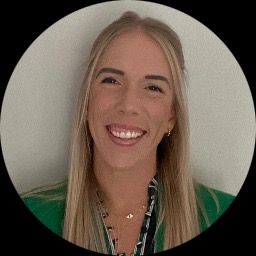
About Alyssa
Alyssa Blaeser is a licensed clinical social worker who focuses on helping people manage stress, anxiety, parenting strains, and the fallout from trauma and abuse. She writes plainly and listens closely to understand what is most hard right now. Her approach is practical and goal-oriented so families can find clearer routines and calmer days.
Alyssa earned a Master of Social Work from Boston University and holds an LCSW (WI LCSW 12516 - 123).
Background and approach
She has five years of experience in clinical and community settings that inform how she structures sessions. She blends multiple ways of working to meet each person's needs rather than using a single method every time. Sessions focus on real-life problems.
She helps parents with parenting stress, supports people facing attachment or caregiver concerns, and addresses communication problems that create friction at home. When trauma or post-traumatic stress shows up, she works at a pace the person can handle and attends to both safety and coping skills. Alyssa uses practical tools to manage strong emotions and improve day-to-day functioning.
She works on setting boundaries, reducing shame and guilt, and building small habits that lead to steadier mood and better relationships. Conversations aim to be direct, respectful, and solution-oriented. Outside of clinical work she enjoys hiking, visiting National Parks, reading, and spending time with her husband and children.
Her personal interests shape a warm, down-to-earth style in sessions.
How evidence-based methods translate to online care
Alyssa uses practical, evidence-based techniques to help people feel steadier and cope better. Cognitive behavioral approaches focus on identifying unhelpful thoughts and testing small behavior changes to lower anxiety and improve mood. Skills-based strategies teach emotion regulation and distress tolerance to manage strong feelings and reduce impulsive reactions. Finding the right approach is part of the work together. She listens to each person’s goals and preferences, then suggests methods that fit those aims. The plan can change over time as needs shift, with options discussed and agreed on collaboratively. Online formats offer flexibility for busy lives. Video calls let the therapist and client work face-to-face when a deeper conversation is needed. Phone sessions can be a good choice when less bandwidth or no camera is preferred. Live chat and text-based messaging are useful for brief check-ins, coordinating plans, or getting support between longer sessions. These options make it easier to keep therapy consistent around school, work, and caregiving demands.Frequently asked questions
What kinds of concerns does Alyssa address?
How would you describe her therapy style?
What is her professional background?
What credentials and location are listed?
Are sessions available in other languages or internationally?
Which session formats are offered?
How does billing and cost work?
What are the steps to begin sessions?
Specialties and expertise
Top specialties
- Stress, Anxiety
- Family conflicts
- Trauma and abuse
Also works with
- Experience
- 5 years
- Licensed
- Wisconsin
- Languages
- English