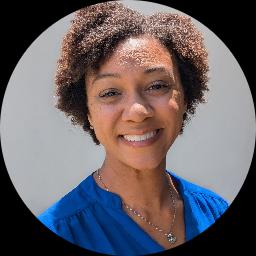
About Yolanda
Yolanda Patton is a licensed clinical social worker who helps people manage stress, anxiety, depression, grief, and the strain of life changes. She draws on practical therapy methods to help clients notice how thoughts affect feelings and actions.
Yolanda emphasizes caring for the whole person - mind, body, and spirit - and she aims to make the first steps feel manageable for someone who is worried or unsure. Yolanda has six years of clinical experience and experience working in cancer care and hospice settings.
Background and approach
That background shapes how she supports people facing serious illness, chronic pain, and end-of-life concerns. She also helps people dealing with aging or young-adult transitions and with compassion fatigue or low self-esteem. Her approach blends client-centered work with cognitive behavioral strategies and solution-focused techniques.
In sessions she listens first, then helps set small, realistic goals. She uses straightforward tools to change unhelpful thinking and to build coping skills people can use between sessions. Yolanda earned a bachelor’s degree and a master’s degree in social work and holds a certificate in interpersonal trauma studies.
Her license is LCSW, which stands for Licensed Clinical Social Worker. She practices in California and conducts sessions in English. Starting therapy begins with a short matching questionnaire and scheduling a time that fits the client.
Yolanda supports people through steady, practical steps and aims to make work on difficult issues feel more doable over time.
How her approaches translate to online therapy
Client-Centered Therapy centers on listening to the person and following their lead. The therapist offers empathy and reflection to help clients feel heard, then works together with them to identify priorities and next steps. This approach helps when someone needs support processing grief or life transitions.Cognitive Behavioral Therapy, or CBT, focuses on how thoughts influence feelings and actions. Sessions include identifying unhelpful thinking patterns and practicing different ways of thinking or behaving. CBT is useful for anxiety, depression, and building coping strategies for chronic illness or pain.
Finding the right approach is part of the work. The therapist will discuss options and collaboratively choose what fits the client's needs, goals, and preferences. That means adapting techniques over time and checking in about what is or isn’t helpful.
Online therapy offers several practical formats: video calls for a face-to-face feel, phone sessions when bandwidth or camera use is difficult, live chat for shorter check-ins, and text-based messaging for ongoing support between sessions. These options make scheduling easier, let people use quieter surroundings, and allow shorter or more frequent touchpoints when helpful.
Frequently asked questions
What kinds of concerns does she help with?
What is her therapeutic style like?
How much clinical experience does she have?
What credentials and location details are on file?
What languages are sessions offered in?
Can I work with her from another country?
How does payment and cost work?
What are the steps to begin therapy?
Specialties and expertise
Top specialties
Also works with
Therapeutic approaches
- Experience
- 6 years
- Licensed
- California
- Languages
- English