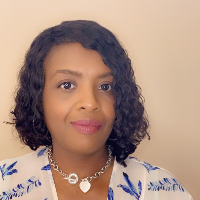
About Winzetta
Winzetta "Wendy" Jenkins helps people facing stress, anxiety, grief, depression, and trauma. She also supports those dealing with relationship strain, anger, low self-esteem, compassion fatigue, and life changes. Wendy is a licensed clinical social worker - LCSW - practicing in Tennessee.
She uses straightforward talk and practical steps to help people move forward. Wendy keeps sessions simple and direct. She listens first, then helps people set clear goals.
Conversations focus on what feels most urgent and what can change now.
Background and approach
She uses tools that are easy to try between meetings. Her background includes a decade of clinical practice working with adults across a range of concerns. Wendy has experience with aging and geriatric issues, caregiver stress, body image, workplace problems, and the emotional impact of separation or domestic violence.
That experience shapes how she tailors support to each person. In session she blends listening with problem-solving. Techniques come from client-centered work, cognitive behavioral strategies, solution-focused planning, motivational interviewing, and trauma-focused methods.
Sessions are collaborative and paced to match each person’s needs. Wendy aims to help people build clearer thinking, more steady moods, and practical coping skills. She works in English and offers sessions to people located in Tennessee.
People start by matching to her profile and arranging sessions that fit their schedules.
Approaches that guide online sessions
Client-centered therapy focuses on listening and understanding the person’s experience. The therapist follows the person’s lead, offers empathy, and helps people identify what matters most to them. This approach is helpful when someone needs space to be heard and to clarify their own goals.Cognitive Behavioral Therapy, or CBT, looks at how thoughts, feelings, and actions connect. It offers practical exercises to test unhelpful thoughts and try new behaviors. CBT can help with anxiety, depression, and stress by teaching small doable changes.
Motivational Interviewing supports people who feel stuck about change. It uses gentle questions to explore motivation and to strengthen commitment to specific steps. This method is useful for shifting habits or deciding on a new direction.
Choosing the right approach is part of the work together. The therapist will discuss options, try techniques, and adjust plans based on what helps most. That collaborative process means goals and methods can change as progress is made.
Online formats include video calls, phone sessions, live chat, and text-based messaging. Video is useful for full conversations and visual connection. Phone sessions can be easier when bandwidth is limited or when someone prefers not to be on camera. Live chat and messaging allow shorter check-ins or paced exchanges over time. These options make it simpler to fit therapy into busy days and different routines.
Frequently asked questions
What concerns does Wendy commonly address?
How would you describe her therapeutic style?
What is her professional background?
What credentials and location are listed?
Which languages and international options are available?
In what formats are sessions offered?
How does cost and billing work?
What are the steps to begin working together?
Specialties and expertise
Top specialties
- Stress, Anxiety
- Relationship issues
- Trauma and abuse
Also works with
Therapeutic approaches
- Experience
- 10 years
- Licensed
- Tennessee
- Languages
- English