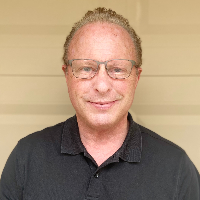
About Thomas
Thomas Austin is a Licensed Clinical Social Worker with over 30 years of experience helping people manage stress, anxiety, addiction, depression, and anger. He speaks plainly and listens closely to what matters to each person. He meets people where they are and helps them take practical next steps.
He often works with people dealing with relationship strain, grief, low self-esteem, career transitions, or parenting challenges. He also supports those coping with bipolar disorder, compassion fatigue, codependency, and aging or geriatric concerns.
Background and approach
His background includes work with survivors of physical, sexual, and emotional abuse. Thomas uses a direct but caring approach in sessions. He encourages active participation and helps people set realistic goals.
Together they build a plan and check progress at each step. In session he draws on Cognitive Behavioral Therapy, Motivational Interviewing, Solution-Focused Therapy, and Mindfulness Therapy. These approaches are used in simple, concrete ways to change thoughts, boost motivation, and develop useful habits.
Many people come for life coaching-style support around motivation and career moves. Thomas helps with practical problem solving, improving communication, and making plans that fit daily life. He aims to help clients move from feeling stuck to taking reliable steps forward.
Approaches that translate well to online care
Client-Centered Therapy focuses on understanding each person without judgment and helping them set their own goals. It suits people who want a supportive space to talk through problems and find their own solutions.Cognitive Behavioral Therapy (CBT) looks at how thoughts, feelings, and actions connect. It uses straightforward exercises and tools to change unhelpful thinking patterns and improve everyday coping for anxiety, depression, and stress.
Mindfulness Therapy teaches simple attention and breathing practices to reduce reactivity and stay present. It can help with worry, anger, and managing strong emotions between sessions.
Finding the right mix of approaches is part of the work. The therapist will discuss goals, preferences, and what has or hasn’t helped before, then try methods together to see what fits. That decision is collaborative and can change as needs evolve.
Online sessions offer practical flexibility. Video calls let people work face to face without travel. Phone sessions are useful when bandwidth is limited or a shorter check-in is needed. Live chat and text-based messaging provide brief, on-the-go support between sessions or when writing feels easier. These options make it simpler to keep therapy consistent around work and family life.
Frequently asked questions
What kinds of concerns does he address?
What is his general therapy style like?
How long has he been practicing?
What are his credentials and where is he based?
Can I work with him in other languages or from outside the U.S.?
What session formats does he use?
How is cost handled for sessions?
How do I begin the process?
Specialties and expertise
Top specialties
- Stress, Anxiety
- Addictions
- Relationship issues
Also works with
- Aging and geriatric issues
- Anger management
- Bipolar disorder
- Career difficulties
- Coaching
- Codependency
- Commitment issues
- Communication problems
- Compassion fatigue
- Coping with life changes
- Depression
- Family conflicts
- Grief
- Parenting issues
- Self esteem
Therapeutic approaches
- Experience
- 30 years
- Licensed
- Pennsylvania
- Languages
- English