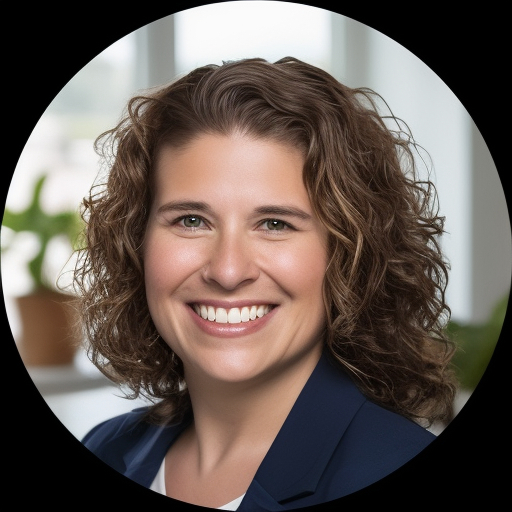
About Therasa
Therasa Yehling is a Licensed Clinical Social Worker with more than 22 years in social work and trauma-related fields. She practices from Illinois and brings a direct, caring style to conversations about healing. Her background includes long-term work around violence, trauma, and recovery, and she aims to make therapy understandable and workable for busy people.
Therasa focuses on practical steps that people can use right away. She helps people address communication problems, feelings of guilt and shame, questions about life purpose, and building self-love.
Background and approach
Sessions are conversational and goal-oriented, with time to talk about what matters most to the person who comes in. Her practice draws on evidence-based therapeutic techniques suited to trauma and life transitions. That means attention to how past events affect day-to-day life and tools to reduce distress.
She also brings experience with situations involving domestic violence and other forms of interpersonal harm. Therasa balances steady clinical experience with a down-to-earth presence. She values inclusion and works to create a space where people feel respected and heard.
Outside work she enjoys family time, reading, and interests that bring lightness and connection. People who want clear, practical support for emotional challenges often find her approach helpful. She works to combine real-world coping strategies with long-term personal growth.
Her goal is to help clients find stronger footing and clearer next steps.
How evidence-based methods fit into online care
Therasa uses evidence-based therapeutic techniques focused on trauma and recovery. One approach she commonly uses emphasizes understanding how past harms affect current feelings and behavior, helping people name triggers and learn steadying skills to reduce distress. Another approach focuses on communication and self-worth, teaching clear ways to set boundaries, speak up, and practice self-compassion in daily life.Choosing the right approach is part of the work together. The therapist will talk through goals, preferences, and what has helped or not helped before, then pick methods that feel like a good match. Clients and the therapist make decisions together so the work fits real life and real goals.
Online therapy offers flexible ways to meet. Video calls let people use visual cues for richer conversations. Phone sessions can be easier when bandwidth is limited or when someone prefers not to be on camera. Live chat and text-based messaging support quick check-ins, shorter reflections, or ongoing support between sessions. These options make it simpler to fit therapy into busy schedules and to keep momentum between appointments.
Frequently asked questions
What concerns does this therapist help with?
What is the therapy style like?
What background does the therapist bring?
What are her credentials and where is she based?
Which languages are supported for sessions?
What session formats are available?
How is cost handled for sessions?
How do I begin working with this therapist?
Specialties and expertise
Top specialties
Also works with
- Experience
- 22 years
- Licensed
- Illinois
- Languages
- English