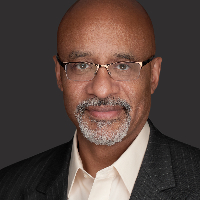
About Teodoro
Teodoro Anderson Diaz is a licensed clinical social worker with two decades of experience. He holds a Master of Social Work from Springfield College and practices in Connecticut as an LCSW. He is fluent in English and Spanish and offers care informed by clinical data and patient needs.
He has worked in a range of settings, helping people who are coping with depression, anxiety, substance use, trauma, and anger. He also supports people facing grief, self-esteem struggles, eating concerns, bipolar mood shifts, and stress from life changes.
Background and approach
First responder issues, immigration matters, and multicultural concerns are additional areas of focus. His style centers on the person sitting across from him. Sessions are practical and straightforward.
He listens first, then helps set clear goals and steps to reach them. He uses tools from several approaches to match what feels right for each person. Teodoro uses a mix of talking, reflection, and goal-focused strategies.
He draws on cognitive behavioral ideas to address unhelpful thoughts and behaviors. He also works from a client-centered stance, helping people name their values and choices. Narrative and motivational methods are used when people want to reframe stories or build motivation to change.
People can expect sessions that are respectful and down-to-earth. He aims to make progress understandable and manageable. For Spanish speakers he offers therapy in their preferred language, and he accepts international clients who can connect online.
Therapeutic approaches for online work
Client-Centered Therapy focuses on listening and building a trusting relationship. The therapist helps people identify their values, priorities, and what they want to change, then supports them in choosing steps to move forward. Cognitive Behavioral Therapy, or CBT, looks at patterns of thought and behavior that get in the way. It uses practical exercises to shift unhelpful thinking and develop new habits for mood and anxiety management.Finding the right approach is part of the process. The therapist will collaborate with each person to choose methods that match their needs, goals, and preferences. That means trying strategies, checking what helps, and adjusting the plan together over time.
Online therapy offers flexibility and easier access to care. Video calls let people use face-to-face conversation from wherever they are. Phone sessions can be a simpler option when bandwidth is limited or when a shorter check-in is needed. Live chat and text-based messaging allow for ongoing support between sessions and can fit into busy schedules. These formats make it easier to maintain continuity of care while working toward practical change.
Frequently asked questions
What kinds of concerns does this therapist address?
What is his general therapy style?
How much experience does he have?
What credentials and location are listed for this therapist?
Can I work with him in Spanish or from another country?
Which session formats are available?
How are costs handled?
How do I begin working with him?
Specialties and expertise
Top specialties
- Addictions
- Trauma and abuse
- Anger management
Also works with
- ADHD
- Bipolar disorder
- Career difficulties
- Compassion fatigue
- Coping with life changes
- Depression
- Eating disorders
- Family conflicts
- First responder issues
- Grief
- Immigration issues
- Intimacy-related issues
- LGBT
- Multicultural concerns
- Parenting issues
- Relationship issues
- Self esteem
- Stress, Anxiety
Therapeutic approaches
- Experience
- 20 years
- Licensed
- Connecticut
- Languages
- English, Spanish