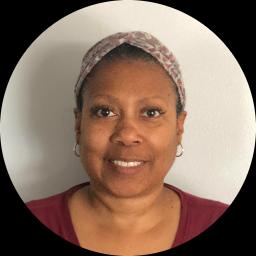
About Tara
Tara Walters is a licensed clinical social worker who focuses on helping people affected by trauma and post-traumatic stress. She speaks plainly and listens closely, aiming to make the first steps into therapy feel manageable. Her approach is direct and steady for people who want an evidence-based path forward.
Tara uses trauma-focused therapy to help people process distressing events and reduce the lasting impact of traumatic experiences. She aims to build a calm conversation where thoughts and feelings can be named and examined without judgment.
Background and approach
Sessions tend to focus on practical strategies and gradual progress rather than quick fixes. With 23 years of experience, Tara brings long-term clinical work to each meeting. She is licensed as an LCSW - Licensed Clinical Social Worker - and holds licenses in Pennsylvania and New Jersey.
This background guides how she frames treatment and sets expectations with clients. Therapy with Tara often includes clear goals and step-by-step plans to manage symptoms tied to trauma and post-traumatic stress. She emphasizes coping tools, grounding techniques, and ways to reclaim daily routines disrupted by trauma.
The pace is set to match each person’s comfort and readiness. People who are looking for trauma-focused, evidence-based psychotherapy will find a straightforward, supportive style. Tara encourages taking the first step and offers structured care aimed at steady healing.
Trauma-focused care delivered online
Tara uses trauma-focused therapy as her primary approach. This method helps people face and process traumatic memories in a paced, structured way. It aims to reduce the intensity of distressing reactions and help daily life feel more manageable.The work also emphasizes practical coping skills. These include grounding exercises, breathing strategies, and step-by-step plans to handle triggers. These tools are useful for managing post-traumatic stress symptoms between sessions and during stressful moments.
Choosing the right approach is collaborative. The therapist will talk with each person about symptoms, goals, and what feels doable. Together they decide how to use trauma-focused methods and which skills to prioritise, adjusting the plan as progress is made.
Online therapy offers several practical benefits. Video calls let sessions feel like face-to-face meetings while saving travel time. Phone sessions use less bandwidth and can be easier if being on camera is hard. Live chat and text-based messaging are useful for brief check-ins, mood tracking, and quick support between full sessions. These options make it easier to fit therapy into a busy life and to continue work when in-person visits are not an option.
Frequently asked questions
What kinds of concerns does Tara address?
How would you describe the therapy style?
What is her clinical background?
Where is she licensed and based?
Which languages are supported?
What session formats are available?
How does cost and payment work?
How do I begin a therapy relationship?
Specialties and expertise
Top specialties
Also works with
Therapeutic approaches
- Experience
- 23 years
- Licensed
- New Jersey, Pennsylvania
- Languages
- English