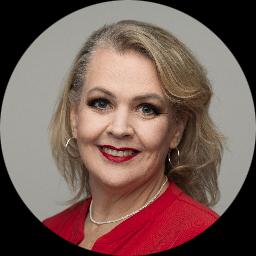
About Tamara
Tamara Long is a Licensed Clinical Social Worker. She brings nine years of social work experience to sessions and focuses on practical support for people facing hard life moments. She draws on a client-centered approach that keeps conversation focused on each person’s priorities.
Tamara listens first, then helps identify small steps that feel doable in daily life. She also uses mindfulness techniques to help people notice and manage stress in the moment.
Background and approach
Much of her background is in hospice and end-of-life care. That experience means she is familiar with grief, caregiver stress, and the emotions that come with serious illness and loss. She also supports people dealing with anxiety, depression, relationship strain, and major life transitions.
Sessions are tailored to what the individual needs right now. Tamara aims to create an open, nonjudgmental space where people can talk through difficult topics. She gives straightforward tools and practices that can be used between meetings.
Her practice emphasizes collaboration. Together with each person she sets goals and checks progress over time. Tamara works from Texas and conducts sessions in English.
Client-centered and Mindfulness approaches for online care
Client-centered therapy focuses on the person in front of the therapist. The therapist listens closely and follows the client’s lead to identify what matters most. This approach helps when someone needs a space to sort priorities, grief, or changing roles.Mindfulness therapy teaches simple attention skills for handling stress and strong emotions. Practices can be brief breathing or grounding exercises to use during anxious moments or caregiver strain. These techniques are practical and can be practiced between sessions to reduce reactivity.
Finding the right approach is part of the work. Tamara collaborates with each person to decide which combination of conversation and mindfulness exercises fits their goals and day-to-day life. That choice can change over time as needs shift.
Online formats include video calls, phone sessions, live chat, and text-based messaging. Video works well for longer talk sessions and shared exercises. Phone can be a lower-bandwidth option when walking or multitasking is needed. Live chat and text messaging are useful for brief check-ins, quick coping tips, or when someone prefers writing to speaking. These options make it easier to fit therapy into busy schedules and to continue care when travel or obligations make in-person meetings difficult.
Frequently asked questions
What kinds of concerns does this therapist help with?
How would you describe the therapeutic style?
What is her professional background?
Where is the therapist licensed and located?
Are sessions offered in other languages or internationally?
What session formats are available?
How does pricing work for sessions?
How do I begin working with this therapist?
Specialties and expertise
Top specialties
Also works with
Therapeutic approaches
- Experience
- 9 years
- Licensed
- Texas
- Languages
- English