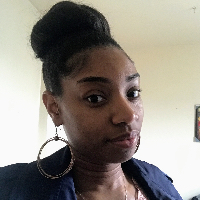
About Tai-Anne
Tai-Anne Linton is a licensed therapist based in Maryland who brings seven years of clinical experience to her work. She holds an MD and is licensed as an LCSW-C and LCSW, and she aims to make sessions straightforward and practical for people under stress.
She trained in social work and previously served as a rape crisis counselor, which shaped her focus on trauma, anxiety, and depression. Tai-Anne uses a strength-based approach alongside Cognitive Behavioral Therapy and person-centered methods to help people manage difficult thoughts and feelings.
Background and approach
In sessions she helps people identify unhelpful thinking patterns and build step-by-step plans to cope with current stressors. Psychoeducation is part of her process - she teaches skills and builds a toolkit people can use outside of therapy. She emphasizes small, doable changes rather than overwhelming goals.
Tai-Anne works with people facing parenting challenges and members of the LGBTQ+ community, and she mentions particular experience supporting African-American women. She also addresses relationship issues, grief, anger, self-esteem, bipolar concerns, ADHD, and life transitions. Her style is warm and non-judgmental.
She encourages self-care and practical activities that reduce stress, like travel and enjoyable hobbies. If someone feels she might be a good fit, she invites them to reach out to begin a partnership focused on steady progress.
How specific approaches translate to online care
Evidence-based Cognitive Behavioral Therapy focuses on identifying and changing unhelpful thoughts and behaviors to reduce symptoms of anxiety and depression. In practice online this can mean setting small homework steps, practicing coping skills between sessions, and reviewing progress together during video or phone meetings.Person-centered work emphasizes listening, empathy, and supporting the person where they are. Online sessions provide a space for that steady, collaborative conversation so people can reflect, set goals, and try new coping strategies with support.
Finding the right approach is part of the work. The therapist will talk with each person about symptoms, goals, and preferences, and then together decide which methods to try first. That collaborative decision is revisited as needed to make sure the plan fits and helps progress.
Online formats include video calls, phone sessions, live chat, and text-based messaging. Video calls let people keep visual contact and practice skills in real time. Phone sessions use less bandwidth and can be easier during a busy day. Chat and messaging are useful for shorter check-ins, ongoing support, and quick skill reminders. These options make scheduling easier and let people fit therapy into work, caregiving, or travel routines.
Frequently asked questions
What concerns does Tai-Anne commonly address?
How would you describe her therapeutic style?
What background does she bring to therapy?
Where is Tai-Anne located and what are her credentials?
Which languages are sessions offered in?
What session formats does she provide?
How are costs and billing handled?
What is the first step to begin working together?
Specialties and expertise
Top specialties
- Stress, Anxiety
- Family conflicts
- Trauma and abuse
Also works with
- ADHD
- Anger management
- Bipolar disorder
- Coping with life changes
- Depression
- Grief
- LGBT
- Parenting issues
- Relationship issues
- Self esteem
- Experience
- 7 years
- Licensed
- Maryland, New Jersey
- Languages
- English