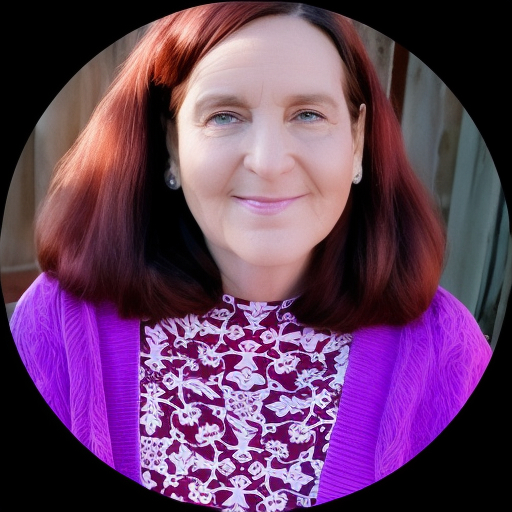
About Suzanne
Suzanne Shumaker is a licensed Clinical Social Worker (LCSW) based in California who helps people facing stress, anxiety, depression, and addiction concerns. She focuses on building self-compassion and practical coping skills so people can get through hard moments. Suzanne emphasizes clear, simple steps that fit everyday life.
She spends time learning what matters to each person. That might include exploring life purpose, working through guilt or shame, or tending to issues around self-esteem.
Background and approach
She also supports people coping with post-traumatic stress and major life changes. Sessions are collaborative and straightforward. Suzanne uses conversational techniques to identify patterns and try small changes that make daily life easier.
She helps people practice new ways of managing emotions and relationships without relying on jargon. Her work draws on tried approaches like client-centered therapy, cognitive behavioral tools, and elements from dialectical behavior methods. Those tools help with managing intense feelings, shifting unhelpful thoughts, and improving communication habits.
Suzanne aims to help people reconnect with their strengths and build realistic, lasting routines. She explains options plainly and adjusts plans as needs shift. The goal is steady progress you can notice between sessions.
How these approaches work online
Client-centered therapy focuses on listening and understanding each person's experience. It helps people feel heard and guides sessions toward what they say matters most, which is useful for building self-compassion and clarity about life purpose.Cognitive Behavioral Therapy, or CBT, looks at how thoughts, feelings, and actions connect. It teaches simple exercises to test unhelpful beliefs and develop different habits for managing anxiety, depression, or stress.
Dialectical Behavior Therapy, or DBT, offers concrete skills for handling intense emotions and improving communication. It includes techniques for distress tolerance and emotional regulation that can reduce overwhelm and support steadier reactions.
Finding the right mix of these approaches is part of the work. The therapist will collaborate with each person to choose techniques that match their needs, goals, and preferences. Plans can be adjusted over time as progress and priorities change.
Online therapy's flexibility makes it easier to fit sessions into busy lives. Video calls allow face-to-face interaction, phone sessions can be used when bandwidth is limited, and live chat or text-based messaging support shorter check-ins or ongoing prompts between sessions. These formats help people access consistent support without major travel or scheduling hurdles.
Frequently asked questions
What kinds of concerns does Suzanne focus on?
What is her therapeutic style like?
How much clinical experience does she have?
What credentials and location should I know about?
Can sessions be conducted in other languages or internationally?
Which session formats are available?
How does payment and cost work?
What are the first steps to begin therapy?
Specialties and expertise
Top specialties
Also works with
Therapeutic approaches
- Experience
- 3 years
- Licensed
- California
- Languages
- English