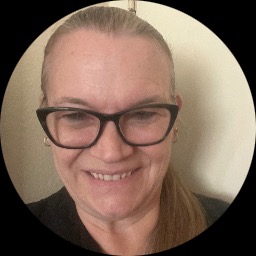
About Susan
Susan Hallett is a licensed clinical social worker in California with 15 years of experience. She focuses on helping people manage stress, anxiety, depression, and low self-esteem. She also supports people coping with grief and major life changes.
Susan believes people already hold many strengths that can help them move forward. She listens for what matters most and helps clients notice practical steps they can try between sessions. The aim is to build confidence and steady coping skills that fit each person’s life.
Background and approach
In sessions she works at a calm, steady pace and keeps language plain. Conversations focus on real problems and clear strategies, not jargon. She also addresses communication issues, forgiveness, and questions about life purpose and self-love.
Her approach centers on collaboration. She sees therapy as a process where the client and therapist test what helps. That might mean short exercises, goal-setting, or checking which new habits reduce stress and boost mood.
Susan’s background includes a range of clinical settings over 15 years in California. She brings that practical experience into conversations so people can try what feels realistic. Her goal is to help clients notice progress and make choices that fit their values and day-to-day life.
Evidence-based approaches and online support
Susan uses practical, evidence-based techniques that focus on clear skills and real-life changes. One approach helps people learn simple coping skills to lower anxiety and manage stress through small daily habits and breathing or grounding exercises. Another approach focuses on identifying negative thinking patterns and testing them with real-life experiments to improve mood and self-esteem. Finding the right approach happens together. The therapist will listen to each person’s goals and try techniques that fit their life. Over time they adjust methods based on what works best, keeping the client involved in decisions about the pace and focus of sessions. Online therapy offers flexible ways to meet. Video calls let people talk face-to-face when a longer session is helpful. Phone sessions can be easier when bandwidth is limited or when someone prefers not to use video. Live chat and text-based messaging work well for short check-ins, quick coping tools, or when a written check-in fits a busy day. These options make it easier to keep therapy consistent around work, family, and other demands. Susan will help choose formats that match the client’s needs and the kinds of skills they want to practice.Frequently asked questions
What kinds of concerns does Susan work with?
What is her therapeutic style like?
How much clinical experience does she have?
What are her credentials and where is she located?
Are sessions available in other languages or internationally?
Which session formats are offered?
How does pricing work for sessions?
What steps are needed to begin therapy?
Specialties and expertise
Top specialties
Also works with
- Experience
- 15 years
- Licensed
- California
- Languages
- English