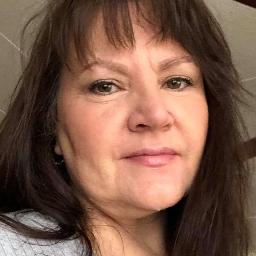
About Shirley
Shirley Butler is a Licensed Clinical Social Worker who has worked in mental health for more than two decades. She runs a independent practice she opened in 2013 and draws on long experience in community mental health and Tribal Behavioral Health. Shirley approaches sessions with curiosity and respect for cultural differences.
She spent much of her career living and working on a reservation and also has lived in other cultures.
Background and approach
That background shaped her respect for difference and her direct, down-to-earth style. Shirley believes people know the parts of their lives they want to change and she helps them tell their story so they can move forward. Shirley earned a Bachelor of Human Services Rehabilitation from Salish Kootenai College and a Master of Social Work from Walla Walla University in Missoula, Montana.
She completed three thousand supervised clinical hours before pursuing her clinical license. Her credentials are listed as MT LCSW BBH-LCSW-LIC-815. In sessions she focuses on building trust first.
She works with each person to create a treatment plan based on their goals and strengths. Approaches include attachment-based and client-centered work alongside cognitive and emotion-focused techniques. People come to Shirley for many concerns, including stress, anxiety, trauma and abuse, depression, grief, parenting strain, and relationship or communication problems.
She also supports those managing bipolar symptoms, career stress, anger, codependency, and issues around commitment and self-love. Her style is collaborative and practical. She blends talk, skill-building, and paced trauma work when needed.
Shirley welcomes international clients and offers sessions by video, phone, live chat, or text messaging.
Therapeutic approaches and online care
Attachment-based work focuses on how close relationships shape feelings and behavior. It helps people understand patterns in how they connect to others and supports building more supported ways of relating. Client-centered therapy centers the person's experience and goals. The therapist listens, reflects, and helps people clarify what matters to them and what they want to change. Cognitive Behavioral Therapy, or CBT, looks at the links between thoughts, feelings, and actions. It teaches practical strategies to shift unhelpful thinking and build coping skills for anxiety, depression, and stress.Choosing the right approach is a team effort. Shirley will talk with a person about their needs, goals, and preferences and then suggest a path that fits. She often blends these approaches so the work matches what a person brings in each session.
Online therapy makes it easier to fit sessions into a busy life. Video calls let people work face-to-face from wherever they are. Phone sessions can be used when video is not convenient or bandwidth is limited. Live chat and text-based messaging allow brief check-ins and ongoing support between scheduled sessions. These options help maintain continuity of care, offer scheduling flexibility, and let people select the format that best supports their goals.
Frequently asked questions
What concerns does Shirley commonly address?
How would you describe her therapeutic style?
What is her clinical background?
What are her credentials and where is she based?
Are sessions offered in other languages or to international clients?
What session formats are available?
How are sessions priced and billed?
What is the process to begin working together?
Specialties and expertise
Top specialties
Also works with
- Abandonment
- Anger management
- Bipolar disorder
- Career difficulties
- Codependency
- Commitment issues
- Communication problems
- Coping with life changes
- Depression
- Family conflicts
- Forgiveness
- Grief
- Parenting issues
- Post-traumatic stress
- Relationship issues
- Self-love
- Women's issues
Therapeutic approaches
- Experience
- 23 years
- Licensed
- Montana
- Languages
- English