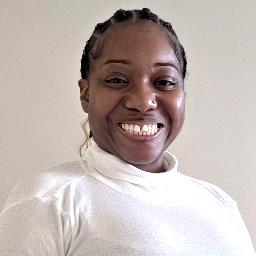
About Shetara
Shetara Richardson is a licensed clinical social worker who helps people facing stress, anxiety, addiction struggles, low self-esteem, depression, and grief. She offers a calm, nonjudgmental approach so people can talk through difficult feelings. She encourages small, practical steps and recognizes that starting therapy takes courage.
She uses methods that focus on thoughts, behaviors, and present-moment awareness. Sessions usually involve identifying stuck patterns, trying new ways of responding, and practicing simple skills between meetings.
Background and approach
She aims to make the work feel straightforward and useful for day-to-day life. With six years of professional experience, Shetara has supported people dealing with trauma and abuse, anger, career stress, bipolar challenges, parenting strain, and compassion fatigue. She is licensed in Pennsylvania and New Jersey and brings that practical experience into each session.
Her style is collaborative and direct. She asks questions, listens closely, and helps people set concrete goals. Homework is offered when it will help someone test changes outside the session.
Sessions can include talking through difficult memories, learning emotion regulation skills, or building motivation for recovery. Shetara helps people find realistic ways to cope with life changes and regain a sense of control.
Using evidence-based approaches in online care
Acceptance and Commitment Therapy helps people notice painful thoughts without getting stuck in them and then act on what matters most. It is useful for stress, anxiety, low mood, and decisions about meaningful life changes. Cognitive Behavioral Therapy focuses on identifying unhelpful thinking and changing behaviors that keep problems going; it often helps with anxiety, depression, and coping skills. Dialectical Behavior Therapy teaches emotion regulation, distress tolerance, and interpersonal skills, which can be useful for managing strong emotions and high stress.Shetara treats finding the right approach as a team effort. She will discuss goals, preferences, and what feels most helpful, and then try techniques together to see what fits. Adjustments are common as people learn what works for their day-to-day life.
Online sessions are offered by video call, phone, live chat, or text-based messaging to fit different routines. Video calls allow face-to-face interaction for skill teaching and deeper conversation. Phone sessions can be a simpler option if bandwidth or being on camera is hard. Live chat and text messaging make it easier to check in between sessions or schedule shorter touchpoints during a busy week.
Frequently asked questions
What concerns does she typically help with?
What is her general therapy style?
How much clinical experience does she have?
Where is she licensed and based?
Which languages are supported for sessions?
What formats are available for sessions?
How is cost handled for sessions?
How does someone begin therapy with her?
Specialties and expertise
Top specialties
Also works with
- Anger management
- Bipolar disorder
- Career difficulties
- Compassion fatigue
- Coping with life changes
- Depression
- Grief
- Parenting issues
- Self esteem
Therapeutic approaches
- Experience
- 6 years
- Licensed
- New Jersey, Pennsylvania
- Languages
- English