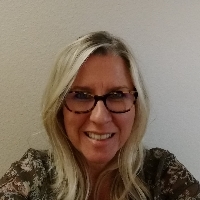
About Sheryl
Sheryl Derby is a licensed clinical social worker with more than two decades in social work. She holds a Master of Social Work with a Child Welfare emphasis from Arizona State University and brings long-term experience supporting people through hard seasons. Sheryl names practical goals and daily skills as the focus of her work.
She aims to help people identify strengths and build coping skills that fit their life. Sessions are straightforward and goal-oriented.
Background and approach
She uses a mix of approaches so each plan matches what a person needs right now. Sheryl has worked across settings that include veterans, people involved with child welfare, juveniles in the court system, and families who have experienced homelessness. That background shaped her comfort with trauma, grief, and stressful life transitions.
Her clinical interests include anxiety, depression, bipolar mood concerns, trauma and abuse, panic, and post-traumatic stress. She also helps with parenting questions, relationship and communication problems, intimacy-related issues, sleep struggles, anger, and compassion fatigue. Outside of work she cares for basset hounds, practices yoga, and volunteers with geriatric and hospice animals.
That balance informs her belief in self-care as part of recovery and growth.
Approaches that guide online sessions
Client-Centered Therapy focuses on listening and responding to each person without judgment. It helps people feel heard and supports them in choosing their own goals and steps forward.Cognitive Behavioral Therapy, or CBT, looks at the link between thoughts, feelings, and actions. It teaches concrete skills to change unhelpful thinking and reduce anxiety, depression, panic, and sleep problems.
Dialectical Behavior Therapy, DBT, emphasizes emotional regulation, distress tolerance, and clearer communication. It can be useful for mood instability, anger, and relationship challenges.
Finding the right approach is part of the work. The therapist collaborates with each person to pick methods that match their needs, goals, and preferences. Plans are adjusted over time if something isn’t working or priorities change.
Online therapy offers flexibility across formats. Video calls let people use face-to-face conversation without travel. Phone sessions are helpful when a quieter space or lower bandwidth is needed. Live chat and text messaging make it easier to fit shorter check-ins into a busy day or to reflect in writing between sessions. These options make it simpler to maintain continuity of care while balancing daily responsibilities.
Frequently asked questions
What concerns does Sheryl commonly help with?
How would you describe her therapy style?
What is her professional background?
Where is she licensed and practicing?
Which languages are supported and can she work with international clients?
What session formats are available?
How is cost handled for sessions?
How do I begin working with her?
Specialties and expertise
Top specialties
- Stress, Anxiety
- Trauma and abuse
- Parenting issues
Also works with
- ADHD
- Anger management
- Bipolar disorder
- Communication problems
- Compassion fatigue
- Coping with life changes
- Depression
- Family conflicts
- Grief
- Intimacy-related issues
- Mood disorders
- Panic disorder and panic attacks
- Post-traumatic stress
- Relationship issues
- Self esteem
- Sleeping disorders
- Veteran and Armed Forces Issues
Therapeutic approaches
- Experience
- 22 years
- Licensed
- Arizona
- Languages
- English