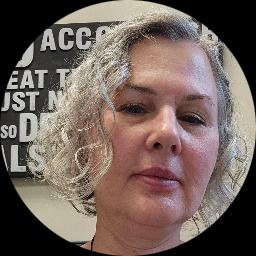
About Sherrie
Sherrie Pace is a licensed clinical social worker in North Carolina who helps people facing stress and anxiety. She supports those struggling with addictions, low self-esteem, and the ups and downs of bipolar disorder. She also addresses communication problems, guilt, and shame.
Sherrie writes in a straightforward way and aims to make starting therapy easier. Sherrie brings 20 years of professional experience to her work. She treats each person as the expert on their own life and looks for strengths to build on.
Background and approach
In sessions she focuses on practical steps people can use between meetings to feel steadier and more capable. Her style is collaborative and down-to-earth. Sessions tend to be conversational with clear goals and simple tools to practice.
She pays attention to how stress and mood affect daily routines and relationships, and helps people try small changes that can add up. Sherrie believes taking the first step takes courage and she aims to make that step feel supported. She explains options and helps people choose a pace that fits their life.
Expect straightforward feedback, encouragement, and a focus on what can change now. Sherrie holds a Licensed Clinical Social Worker credential - LCSW - and has worked in the field for two decades. She provides services in English and sees clients based in North Carolina.
How evidence-based approaches work online
Sherrie uses straightforward, evidence-based techniques that focus on practical change. One approach emphasizes skills for managing anxiety and stress, teaching breathing and thinking strategies people can use when feeling overwhelmed. Another approach focuses on coping with addictions and motivation by setting small, achievable goals and tracking progress over time to rebuild routines and confidence.Finding the right approach is part of the work together. She will discuss options with each person and choose methods that match their goals and preferences. That choice is collaborative and may shift as needs change during therapy.
Online sessions offer flexibility in how people connect. Video calls let therapists observe mood and body language. Phone sessions can be easier when bandwidth is limited or when someone prefers not to be on camera. Live chat or text messaging can support quick check-ins, brief skill practice, or ongoing encouragement between longer sessions. These options make it easier to fit therapy into a busy schedule and to keep steady momentum toward goals.
Frequently asked questions
What concerns does Sherrie commonly help with?
How would you describe her therapeutic style?
How much experience does she have?
What are her credentials and where is she based?
Can sessions be held in languages other than English?
What session formats are available?
How are fees and payments handled?
How do I begin working with her?
Specialties and expertise
Top specialties
Also works with
- Bipolar disorder
- Communication problems
- Guilt and shame
- Experience
- 20 years
- Licensed
- North Carolina
- Languages
- English