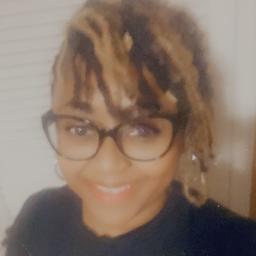
About Sherita
Sherita Dobbins is a Licensed Clinical Social Worker who helps people manage stress, anxiety, depression, bipolar mood concerns, grief, trauma, and parenting or family challenges. She offers straightforward, compassionate care and practical tools for coping with life changes, anger, low self-esteem, ADHD-related struggles, and compassion fatigue. She works in a warm, client-centered way that balances empathy with clear, direct guidance.
Sessions are focused on what the person needs now and what small changes might help.
Background and approach
She draws on several approaches to tailor sessions to each person’s situation. With 18 years of experience, Sherita has worked across mental health settings, inpatient and outpatient care, schools, and home hospice programs. That background informs how she supports people facing grief, end-of-life concerns, communication problems, and complex mood issues.
Her methods include Cognitive Behavioral Therapy and Dialectical Behavior Therapy alongside client-centered and emotionally focused ideas, and she also uses hypnotherapy when appropriate. The mix aims to help people build skills, change unhelpful patterns, and process painful experiences. Sherita treats each person with dignity and respect and meets them where they are.
She aims to create practical plans that fit daily life and to help people find clearer purpose, improved relationships, and steadier moods over time.
Therapeutic approaches and online options
Client-Centered Therapy focuses on listening and reflecting what matters to the person. It helps people feel heard and to explore goals at their own pace. Cognitive Behavioral Therapy (CBT) looks at how thoughts, feelings, and actions connect and teaches concrete skills to change unhelpful patterns. It is useful for anxiety, depression, and mood regulation. Dialectical Behavior Therapy (DBT) teaches emotion regulation, distress tolerance, and interpersonal effectiveness skills to help manage intense emotions and improve relationships.Finding the right approach is part of the work together. The therapist will talk with each person about goals, preferences, and what has or has not helped before. Then she will suggest strategies and adjust them over time so the plan fits the person’s needs and lifestyle.
Online therapy offers flexibility through video calls, phone sessions, live chat, and text-based messaging. Video allows face-to-face conversation and visual cues. Phone sessions can be easier when bandwidth is limited or for a shorter check-in. Live chat and messaging support quick check-ins, reflection between sessions, and ongoing skill practice. These options make it easier to fit therapy into work, errands, or caregiving schedules while keeping treatment consistent and active.
Frequently asked questions
What concerns does Sherita commonly support?
What is her general approach in sessions?
What kind of experience does she bring?
What credentials and region are listed?
Which languages and international options are available?
How are sessions delivered?
How does pricing work for sessions?
What are the first steps to begin working together?
Specialties and expertise
Top specialties
Also works with
- ADHD
- Aging and geriatric issues
- Anger management
- Bipolar disorder
- Communication problems
- Compassion fatigue
- Coping with life changes
- Depression
- Emptiness
- Family conflicts
- Family problems
- Forgiveness
- Hospice and end-of-life counseling
- Life purpose
- Mood disorders
- Parenting issues
- Relationship issues
- Self esteem
- Veteran and Armed Forces Issues
Therapeutic approaches
- Experience
- 18 years
- Licensed
- Mississippi
- Languages
- English