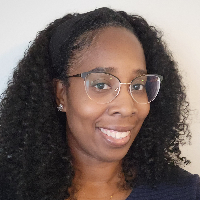
About Sharta
Sharta Willis is a Licensed Clinical Social Worker who helps people manage stress, anxiety, low self-esteem, relationship strain, parenting challenges, and depression. She speaks plainly and offers practical tools to navigate hard moments. Many clients come for help with family problems, self-love, and issues connected to military service.
She works with adults and focuses on short-term goals and steady progress. Sharta’s style is warm and direct. Sessions center on what the person wants to change right now.
Background and approach
She listens first, then shares simple strategies to try between meetings. The aim is clearer thinking and everyday habits that reduce worry and improve mood. She uses a mix of approaches to suit different people.
Cognitive Behavioral Therapy helps identify and shift unhelpful thoughts. Client-Centered Therapy gives space for people to lead the conversation and find their own answers. Motivational Interviewing encourages small steps toward goals, and Solution-Focused Therapy targets practical next steps.
Sharta has six years of professional experience working with adults. She holds the LCSW credential - Licensed Clinical Social Worker - in Florida. That background guides an approach that balances real-world solutions with supportive listening.
In sessions she offers straightforward tools, check-ins on progress, and a focus on what works in daily life. Her guidance is meant to fit into a person’s schedule and responsibilities. The goal is steady change, not quick fixes.
Practical approaches for online therapy
Client-Centered Therapy focuses on giving the person space to lead the conversation and find their own solutions. The therapist reflects what is said, helps clarify feelings, and supports self-directed change. Cognitive Behavioral Therapy, or CBT, looks at thoughts and behaviors that keep problems going and offers exercises to change those patterns. It is useful for anxiety, low mood, and stress.Choosing the right approach is a collaborative process. The therapist will talk with the person about goals, preferences, and what has or hasn’t worked before. Together they will try approaches and adjust them over time to find what fits best.
Online sessions are offered by video call, phone, live chat, or text-based messaging to make therapy more flexible. Video calls let people work face to face when that helps; phone sessions can be easier when bandwidth is limited or a quicker check-in is needed. Live chat and text are useful for shorter updates, brief coping strategies, or when writing helps organize thoughts. These options make it easier to fit therapy into work, family, and other commitments.
Frequently asked questions
What concerns does she address?
What is her therapy style like?
How much clinical experience does she have?
What are her credentials and where is she located?
Which languages are supported and can she work internationally?
What session formats are available?
How are costs handled?
How do I begin working with her?
Specialties and expertise
Top specialties
- Stress, Anxiety
- Relationship issues
- Self esteem
Also works with
- Depression
- Family conflicts
- Family problems
- Parenting issues
- Self-love
- Veteran and Armed Forces Issues
Therapeutic approaches
- Experience
- 6 years
- Licensed
- Florida
- Languages
- English