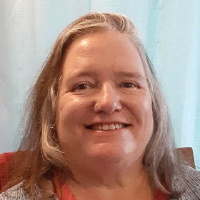
About Sharon
Sharon Hollandsworth is a Licensed Clinical Social Worker in North Carolina with four decades of experience in community mental health. She has worked largely in agency settings providing individual and group support to adults. Sharon begins by listening to what feels most difficult and what each person hopes to get from counseling.
She uses a client-centered style that puts the person’s goals first. Sessions usually include problem solving and practical skills training.
Background and approach
Sharon focuses on strengthening attention, relaxation, and interpersonal skills so people can better manage anxiety and strong emotions. Sharon introduces coping tools gradually and practices them together with clients. These tools cover stress management, ways to reduce distress, and techniques for clearer decision making.
She also works on plans for handling specific problems as they arise. Her background includes a Master of Social Work in Treatment from the University of Tennessee and earlier study in music and psychology. Most of her career has been in Raleigh-Durham area community mental health centers and community health settings.
Sessions aim to feel validating and supportive while also working toward concrete change. Sharon welcomes questions and helps people map out a path they can follow at their own pace.
Approaches that guide online sessions
Sharon commonly uses client-centered therapy and cognitive behavioral therapy in her online work. Client-centered therapy focuses on understanding each person’s experience and helping them set their own goals. It is useful for building trust, exploring feelings, and deciding what to change. Cognitive Behavioral Therapy (CBT) looks at the links between thoughts, feelings, and actions and teaches strategies to reduce anxiety, manage mood, and change unhelpful thinking patterns.She also draws on Dialectical Behavior Therapy (DBT) skills when emotional regulation and distress tolerance are needed. DBT skills include short practices for calming, managing intense feelings, and improving communication in high-stress moments. Together these approaches provide both listening and concrete tools to use between sessions.
Deciding which approach to use is a team effort. The therapist will ask about your goals, preferences, and what feels most urgent. From there she will suggest options and adapt techniques as you try them, so the plan fits your life and needs.
Online therapy offers flexibility through video calls, phone sessions, live chat, and text messaging. Video calls let you see facial expressions and work through exercises together. Phone sessions can be easier when bandwidth is limited or you prefer not to be on camera. Chat and text allow short check-ins, written practice of skills, and easier scheduling during busy days. These options make it simpler to fit therapy into work, family, and travel routines while keeping the same therapeutic focus.
Frequently asked questions
What concerns does Sharon help with?
How would you describe her therapy style?
What is her professional background?
Where is she licensed and based?
Which languages are available for sessions?
Can international clients work with her?
What session formats does she use?
How are fees and starting steps handled?
Specialties and expertise
Top specialties
- Stress, Anxiety
- Trauma and abuse
- Anger management
Also works with
- Addictions
- Bipolar disorder
- Career difficulties
- Coping with life changes
- Depression
- Eating disorders
- Family conflicts
- Grief
- Intimacy-related issues
- LGBT
- Parenting issues
- Relationship issues
- Self esteem
- Sleeping disorders
Therapeutic approaches
- Experience
- 40 years
- Licensed
- North Carolina
- Languages
- English