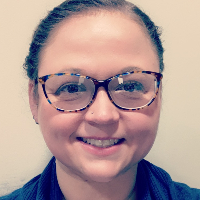
About Sharon
Sharon Bowen is a Licensed Clinical Social Worker who helps people manage stress, anxiety, mood swings, grief, and relationship strain. She offers steady support for those facing trauma, parenting challenges, career transitions, or questions about identity. Sharon speaks English and works from North Carolina.
Sharon approaches therapy in a straightforward, person-focused way. She starts by listening to what matters most and moves at the client's pace. Sessions aim to make emotional struggles easier to understand and manage through practical steps and steady support.
Background and approach
She uses a mix of methods that fit each person. That can include client-centered listening, goal-focused cognitive behavioral work, EMDR for trauma, and mindfulness practices to reduce reactivity. Motivational interviewing is an option when people want help finding the drive to change habits or make decisions.
Sharon draws on ten years of social work experience in advocacy, case management, and therapy. Her background includes work with families and children in various roles, which shaped how she supports parents and caregivers. Clients can expect a nonjudgmental, compassionate presence and clear guidance toward workable strategies.
Practical details are discussed together so therapy fits daily life. Sharon uses straightforward language and focuses on small, doable steps. She aims to build trust and move forward at a comfortable pace.
Approaches that guide online sessions
Client-centered therapy focuses on listening and understanding a person’s experience without judgment; it helps people feel heard and lets them set the pace and goals for their work. Cognitive Behavioral Therapy, or CBT, looks at how thoughts and behaviors interact and teaches specific skills to reduce anxiety, improve mood, and change unhelpful patterns. Eye Movement Desensitization and Reprocessing, known as EMDR, helps people process traumatic memories by pairing focused attention with guided eye movements or other bilateral stimulation to reduce distress over past events.Choosing the right approach is part of the process and is decided together. The therapist will ask about goals, past experiences, and preferences, and then recommend methods that fit those needs. That collaborative plan can change over time as progress and priorities evolve.
Online therapy offers flexibility that can make it easier to keep a steady schedule. Video calls allow face-to-face conversation, phone sessions work well when bandwidth is limited, live chat is useful for shorter check-ins, and text-based messaging supports ongoing reflection between sessions. These options let people fit therapy into work breaks, caregiving routines, or days when being on camera feels difficult.
Frequently asked questions
What concerns does Sharon commonly address?
How would you describe her therapeutic style?
What is her professional background?
What credentials and location are listed for this therapist?
Which languages are used for sessions and can international clients join?
What session formats are available?
How does cost and billing work?
What steps should I take to begin therapy?
Specialties and expertise
Top specialties
Also works with
- ADHD
- Bipolar disorder
- Career difficulties
- Compassion fatigue
- Coping with life changes
- Depression
- Family conflicts
- Grief
- Intimacy-related issues
- Parenting issues
- Relationship issues
- Self esteem
- Sleeping disorders
Therapeutic approaches
- Experience
- 10 years
- Licensed
- North Carolina, Colorado, Florida, California
- Languages
- English