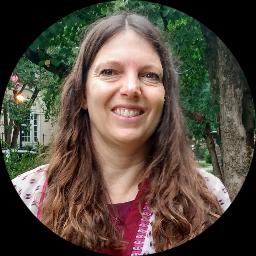
About Shanna
Shanna Downing uses a client-centered approach to guide people through stress, anxiety, grief, career struggles, depression, and major life changes. She is a licensed clinical social worker (LCSW) practicing in Utah and brings 13 years of clinical experience to her sessions. Her style is direct and compassionate, focused on helping people find manageable steps forward.
She adapts each meeting to fit what the person needs. Conversations are practical and goal-focused while keeping the person’s values in view.
Background and approach
Shanna draws on cognitive behavioral techniques to help shift unhelpful thinking and on solution-focused methods to set clear, short-term goals. Mindfulness practices are used to reduce reactivity and build calm in daily life. Motivational interviewing helps when someone feels stuck or unsure about change.
She also has experience supporting people facing hospice and end-of-life concerns and can help with grief and practical planning conversations. Sessions can include skills practice, problem-solving, and planning next steps. Shanna aims to make each session feel useful and doable for the week ahead.
She works with people who want steady, practical support during difficult transitions. Shanna holds a Utah LCSW license and meets people where they are in plain language. Her approach emphasizes respect, sensitivity, and collaboration so people can move toward clearer choices and better coping.
Therapeutic approaches that work in online care
Shanna often uses client-centered therapy to make sessions feel personal and respectful. This approach focuses on listening, understanding each person’s values, and shaping conversations around their goals. It helps when someone needs space to be heard and to decide what change should look like for them.She also uses cognitive behavioral therapy to identify unhelpful thoughts and to practice different ways of responding. CBT is practical and problem-focused, which many people find useful for anxiety, depression, and stress. Mindfulness techniques are woven in to help reduce reactivity and to build small daily practices for calm and focus.
Finding the right approach is part of the work. The therapist will collaborate with each person to pick methods that fit their needs, goals, and preferences. That exploration is gradual and adjusted as progress is made.
Online therapy offers practical flexibility. Video calls allow face-to-face conversation when visual cues matter. Phone sessions use less bandwidth and can work well for check-ins. Live chat and text messaging are useful for brief updates, skill reminders, or when someone prefers writing between sessions. These options make it easier to fit therapy into a busy life and to keep consistent momentum toward goals.
Frequently asked questions
What concerns does she help with?
What is her therapy style like?
How much clinical experience does she have?
What credentials and location apply?
Which languages are offered and can international clients join?
What session formats are available?
How does payment and cost work?
How do I begin working with her?
Specialties and expertise
Top specialties
- Stress, Anxiety
- Grief
- Career difficulties
Therapeutic approaches
- Experience
- 13 years
- Licensed
- Utah, Nevada
- Languages
- English