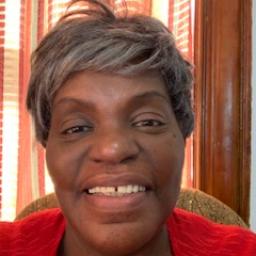
About Saudia
Saudia Garnette is a licensed clinical social worker who works with people facing depression, anxiety, stress, grief, addictions, anger, relationship concerns, and self-esteem struggles. She practices in New York and brings five years of clinical experience to her sessions. Saudia aims to create an open, respectful space where clients can speak honestly and begin to make practical changes.
Saudia uses straight-talk and clear tools in sessions. She helps people spot unhelpful thought patterns and test new behaviors using Cognitive Behavioral Therapy.
Background and approach
She also draws on Motivational Interviewing to support people who want to change habits, and Mindfulness Therapy to build focus and calm. Her work often includes problem-solving and short-term skill building. Saudia helps clients set concrete goals and track small steps toward them.
Conversations can cover coping with grief, navigating relationship stress, managing anger, or addressing substance use. Sessions are practical and collaborative. Saudia listens, offers feedback, and suggests exercises to try between meetings.
She adapts tools to fit each person’s pace and daily life. Saudia holds a New York LCSW - Licensed Clinical Social Worker - credential. She is available through video, phone, live chat, or text-based messaging.
This flexible approach makes it easier to fit therapy into a busy schedule.
How Saudia uses therapies online
Saudia commonly draws on Cognitive Behavioral Therapy and Mindfulness Therapy in online work. Cognitive Behavioral Therapy focuses on identifying and changing unhelpful thoughts and behaviors, which can help with anxiety, depression, and anger by creating step-by-step plans and experiments. Mindfulness Therapy teaches simple attention and breathing practices to reduce reactivity and improve focus, useful for stress, grief, and managing urges.Choosing a therapeutic approach is part of the session process. Saudia will work together with each person to decide which methods fit their goals and daily life. That choice is revisited as progress is made so the plan stays useful and realistic.
Online formats include video calls, phone sessions, live chat, and text-based messaging. Video sessions allow face-to-face interaction and visual cues. Phone sessions can be easier when bandwidth is limited or when someone prefers not to be on camera. Live chat and text-based messaging are helpful for quick check-ins, brief coaching, or keeping momentum between longer sessions. These options make it easier to keep therapy consistent around work, caregiving, and other commitments.
Frequently asked questions
What issues does this therapist help with?
What kind of therapy style can I expect?
What is her clinical background?
Is she licensed and where does she practice?
Which languages are offered for sessions?
What session formats are available?
How does payment and cost work?
How do I begin working with this therapist?
Specialties and expertise
Top specialties
Also works with
- Addictions
- Anger management
- Hospice and end-of-life counseling
- Relationship issues
- Self esteem
Therapeutic approaches
- Experience
- 5 years
- Licensed
- New York
- Languages
- English