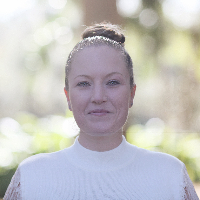
About Samantha
Samantha Bryant is a licensed clinical social worker with 15 years of practice in Florida. She helps people facing trauma, grief, relationship struggles, parenting challenges, and mood concerns. Her approach aims to make therapy feel straightforward and workable for busy lives.
She has experience supporting people involved in adoption and foster care and those dealing with attachment or blended family issues. She also helps with caregiver stress, postpartum challenges, and first responder concerns.
Background and approach
Samantha has worked with people affected by domestic violence, sexual assault, and other forms of trauma. In sessions she mixes tools from different approaches to fit each person. That means using practical strategies to manage anxiety or mood, and exploring family and attachment patterns when those are relevant.
She keeps things down-to-earth and focuses on what will help now. Samantha describes herself as genuine, warm, and non-judgmental. She aims to create a space where people can say what they think and feel without feeling rushed.
Conversations are guided by the client’s goals and paced to match their needs. For someone juggling daily responsibilities, Samantha works to offer clear, manageable steps between sessions. She listens for patterns that fuel stress or conflict and suggests simple changes to improve communication, coping, and mood.
The work is collaborative, with practical tools and focused conversations to help clients move forward.
Therapeutic approaches and how online therapy fits
Samantha often uses Trauma-Focused Therapy to address the effects of abuse, assault, or other painful events. This approach focuses on how the trauma affects daily life and teaches ways to reduce symptoms and regain control.She also draws on Attachment-Based Therapy to look at relationship patterns that started in early connections. This work helps when struggling with trust, closeness, or repeating family dynamics that cause stress.
Finding the right approach is part of the work together. Samantha will talk with each person about goals, preferences, and what feels most helpful. She adjusts methods over time so the plan stays aligned with progress and changing needs.
Online therapy offers flexibility for people with busy schedules or limited travel options. Video calls let therapists see nonverbal cues and hold a fuller conversation. Phone sessions can be easier when video is not possible, and they typically need less bandwidth. Live chat and text-based messaging are useful for short check-ins, quick coping skills, or when someone prefers written communication. These options make it easier to fit sessions around work, parenting, or medical commitments, while keeping the focus on practical steps and steady progress.
Frequently asked questions
What concerns does she help with?
What is her therapy style like?
How much clinical experience does she have?
Where is she licensed and practicing?
Which languages are offered?
Can people outside the U.S. work with her?
What session formats does she provide?
How do I begin a therapy match?
Specialties and expertise
Top specialties
- Trauma and abuse
- Grief
- Parenting issues
Also works with
- Addictions
- Adoption and foster care
- Anger management
- Attachment issues
- Bipolar disorder
- Blended family issues
- Caregiver issues and stress
- Communication problems
- Compassion fatigue
- Coping with life changes
- Depression
- Domestic violence
- Family conflicts
- First responder issues
- LGBT
- Post-traumatic stress
- Postpartum depression
- Pregnancy and childbirth
- Relationship issues
- Self esteem
- Sexual assault and abuse
- Stress, Anxiety
- Women's issues
Therapeutic approaches
- Experience
- 15 years
- Licensed
- Florida
- Languages
- English