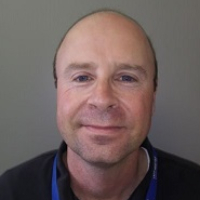
About Roger
Roger Andrews is a licensed clinical social worker with 13 years of experience helping people cope with stress, anxiety, depression, addiction, grief, anger, and major life changes. He practices in Virginia and supports people facing trauma, relationship strain, family conflict, and mood conditions such as bipolar disorder. He uses a straightforward approach so people can start feeling steadier sooner.
He blends client-centered listening with practical Cognitive Behavioral Therapy techniques. Sessions begin by identifying what matters most to the person and then building small, achievable steps.
Background and approach
He works at a calm pace and treats people with dignity and respect. Roger focuses on skills that help with day-to-day challenges. That can include managing strong emotions, spotting unhelpful thinking patterns, reducing substance use, and improving communication.
He also helps people adjust after losses or changes in work and life roles. Therapy sessions are collaborative. Roger and the person create a simple plan that fits real life.
Goals and strategies are reviewed and adjusted as needed so progress is measurable. He offers phone, video, chat, and text-based sessions to fit busy schedules. People are encouraged to pick the format that works best for them and their routine.
Roger aims to make therapy practical, respectful, and easy to apply between sessions.
How Roger’s approaches work online
Roger blends client-centered therapy and Cognitive Behavioral Therapy to help people make practical changes in their lives. Client-centered therapy focuses on listening without judgment and understanding each person’s goals. It helps people feel heard and clarifies what they want to change.Cognitive Behavioral Therapy, or CBT, looks at the links between thoughts, feelings, and actions. It teaches simple exercises to challenge unhelpful thinking and build new habits, which can help with anxiety, depression, and coping after trauma.
Choosing the right approach is part of the work together. He will collaborate with each person to decide which methods fit their needs, goals, and daily routine. Plans are adjusted over time based on what helps most.
Online formats include video calls, phone sessions, live chat, and text-based messaging. Video is useful for face-to-face conversation and visual cues. Phone sessions can be easier when bandwidth is limited. Live chat and text-based messaging work well for brief check-ins, skill practice, or fitting a session into a busy day. These options make it easier to keep therapy consistent around work and family commitments.
Frequently asked questions
What concerns does he help with?
What is his therapeutic style like?
How much experience does he have?
What are his credentials and where is he located?
Which languages are sessions offered in?
What session formats are available?
How does billing and cost work?
How do I get started with therapy?
Specialties and expertise
Top specialties
Also works with
- Anger management
- Bipolar disorder
- Career difficulties
- Coping with life changes
- Family conflicts
- Grief
- Relationship issues
- Self esteem
- Trauma and abuse
Therapeutic approaches
- Experience
- 13 years
- Licensed
- Virginia
- Languages
- English