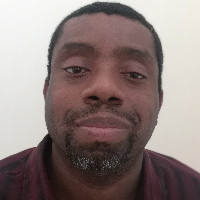
About Okechuku
Okechuku Nwanganga helps people who are dealing with stress, anxiety, grief, depression, trauma and abuse, relationship or intimacy concerns, parenting strain, anger, low self-esteem, career changes, bipolar challenges, and compassion fatigue. He introduces himself plainly and focuses on what matters most to each person. He centers conversation on strengths and practical steps rather than labels or diagnoses.
Nwanganga brings ten years of experience as a licensed clinical social worker. He uses straightforward talk therapy and adapts his approach to each person’s needs.
Background and approach
Sessions focus on what the client says is important and on building tools that people can use between meetings. His style is collaborative and warm. He asks questions that clarify situations and gently challenges patterns that hold people back.
Clients can expect honesty, empathy, and a steady focus on their goals during sessions. In practice he uses client-centered methods alongside cognitive behavioral techniques. That means he listens closely, then helps people identify unhelpful thinking and try small, practical changes.
The aim is to help people feel more grounded and able to manage daily stressors. Nwanganga offers therapy in English and Igbo and is based in California as a Licensed Clinical Social Worker - LCSW. He works online through video, phone, live chat, or text-based messaging.
To start, a person completes a short matching questionnaire and schedules according to the available times.
How therapeutic approaches translate to online care
Client-Centered Therapy is about listening carefully and following the client’s lead. The therapist focuses on building a respectful relationship, identifying strengths, and helping people make decisions that fit their lives. Cognitive Behavioral Therapy (CBT) looks at how thoughts, feelings, and actions connect and uses simple experiments and exercises to shift unhelpful patterns. CBT often helps with anxiety, depression, stress, and managing mood swings.Finding the right approach is a shared process. The therapist will talk with the client about goals and preferences, then try methods that fit those needs. Adjustments happen over time so the work stays useful and practical for the person in front of him.
Online formats such as video calls, phone sessions, live chat, and text-based messaging make therapy more flexible. Video works well for in-depth conversations and visual cues. Phone can be easier when bandwidth is limited or a shorter check-in is needed. Live chat and text messaging allow brief check-ins, written reflections, and support between longer sessions. These options help fit therapy into busy schedules and different routines.
Frequently asked questions
What concerns does this therapist address?
What is his therapeutic style like?
How much clinical experience does he have?
What credentials and location are listed?
Which languages are supported and are international clients accepted?
What session formats are offered?
How is cost handled for sessions?
How do I begin therapy with this clinician?
Specialties and expertise
Top specialties
- Stress, Anxiety
- Relationship issues
- Grief
Also works with
- Anger management
- Bipolar disorder
- Career difficulties
- Compassion fatigue
- Coping with life changes
- Depression
- Family conflicts
- Intimacy-related issues
- Parenting issues
- Self esteem
- Trauma and abuse
Therapeutic approaches
- Experience
- 10 years
- Licensed
- California
- Languages
- English, Igbo