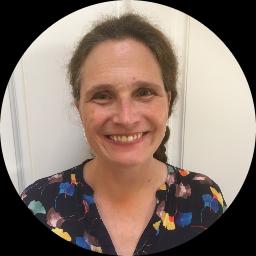
About Rachel
Rachel Webster is a licensed clinical social worker in Idaho who helps people facing stress, anxiety, trauma, grief, and relationship concerns. She draws on 27 years of experience to guide practical steps forward. Rachel aims to make the first contact feel straightforward and manageable for a worried parent or individual.
In sessions she focuses on making space to talk about what matters most. She encourages clear, honest conversation about feelings and reactions.
Background and approach
The tone is supportive and nonjudgmental so people can speak openly. Rachel uses common-sense strategies from cognitive behavioral therapy to spot unhelpful thoughts. She also relies on attachment-based ideas to look at how relationships shape responses.
Solution-focused techniques help identify small, concrete changes that can make daily life easier. Her background includes working across a wide range of issues such as addictions, parenting strain, grief after loss, career stress, and mood disorders like depression and bipolar. She also has experience with adoption and foster care, aging and geriatric concerns, blended family dynamics, and health-related counseling needs.
Rachel practices in Idaho and works with people who are ready to take active steps toward change. She meets clients where they are and helps set clear, realistic goals. The focus is on usable tools, steady progress, and practical ways to cope with life changes.
Approaches that translate well to online care
Attachment-based work looks at how past relationships shape current feelings and reactions. In online sessions this can mean talking through patterns in close relationships and practicing new ways to connect and set boundaries. Cognitive Behavioral Therapy, or CBT, focuses on spotting unhelpful thoughts and testing small behavior changes. It is practical for anxiety, depression, and coping with life transitions because homework and thought records work well between video or message sessions.Finding the right approach is usually a collaborative process. The therapist will ask about goals, daily challenges, and what has or hasn’t helped before. Together they decide whether attachment-focused exploration, CBT tools, or a solution-focused plan is the best fit, and they adjust as progress is made.
Online formats such as video calls, phone sessions, live chat, and text messaging make it easier to fit therapy into busy lives. Video lets people use visual cues when needed. Phone sessions reduce bandwidth needs and can be good for shorter check-ins. Live chat and text messaging allow brief updates or ongoing support without scheduling a full call. These options offer flexibility, so sessions can be matched to the client’s routine and comfort.
Frequently asked questions
What concerns does Rachel help with?
What is her general approach in sessions?
How much clinical experience does she have?
What are her credentials and where is she located?
Which languages are supported and are international clients possible?
What session formats does she offer?
How does pricing and payments work?
How do I begin therapy with her?
Specialties and expertise
Top specialties
- Stress, Anxiety
- Family conflicts
- Trauma and abuse
Also works with
- Addictions
- Adoption and foster care
- Aging and geriatric issues
- Anger management
- Bipolar disorder
- Blended family issues
- Cancer
- Career difficulties
- Co-morbidity
- Codependency
- Coping with life changes
- Depression
- Grief
- HIV / AIDS
- Hospice and end-of-life counseling
- Immigration issues
- Intellectual disability
- Intimacy-related issues
- LGBT
- Parenting issues
- Postpartum depression
- Relationship issues
- Seasonal Affective Disorder (SAD)
- Self esteem
- Veteran and Armed Forces Issues
- Young adult issues
Therapeutic approaches
- Experience
- 27 years
- Licensed
- Idaho
- Languages
- English