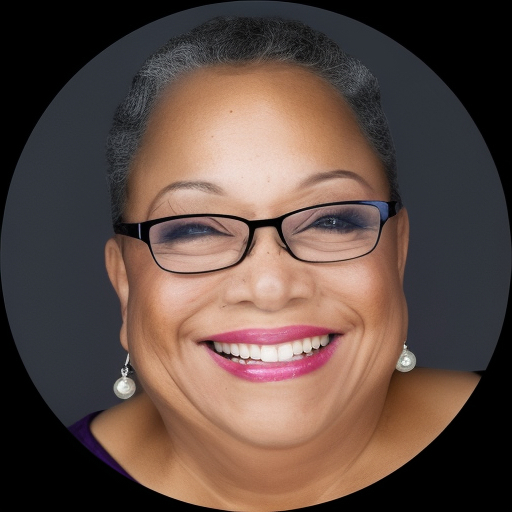
About Pamela
Pamela Bridgeman helps people facing relationship strain, trauma and abuse, grief, low self-esteem, and depression. She also focuses on communication problems, forgiveness, guilt and shame, mood disorders, and post-traumatic stress. Pamela is a Licensed Clinical Social Worker, LCSW, with 18 years of experience and brings a background as an ordained Christian minister and U.S.
Air Force veteran to her work. She takes a warm, matter-of-fact approach in sessions. Pamela listens first, then helps clients name the problem clearly.
Background and approach
She works with clients to set small, practical goals and try tools between meetings. Her style is steady and supportive, aimed at gradual change rather than quick fixes. Pamela uses evidence-based therapeutic techniques to guide recovery from trauma, manage mood shifts, and rebuild self-worth.
Conversations often include learning new ways to communicate and to cope with strong emotions like shame or guilt. She also helps people process grief and move toward forgiveness when that fits their goals. In sessions she draws on life experience as well as clinical practice to meet people where they are.
Pamela respects each person’s beliefs and personal story and integrates faith when clients want that included. Her work is focused on practical steps clients can take to feel more grounded and capable. Clients can expect clear explanations of options, collaborative planning, and straightforward skill-building.
Pamela aims to help people find steadier footing after loss, conflict, or trauma and to strengthen confidence in everyday life.
Approaches that guide online work
Pamela uses evidence-based therapeutic techniques to help people manage symptoms and rebuild coping skills. One common approach focuses on practical skills for mood and anxiety management - clients learn breathing, grounding, and thought-checking exercises to handle strong emotions and low mood. This approach is useful for depression, mood disorders, and stress-related symptoms.Another approach centers on trauma-informed care that emphasizes safety, pacing, and rebuilding a sense of control. It helps people process painful events, reduce reactivity, and regain trust in their own responses. This method can be especially helpful for post-traumatic stress and recovery after abuse.
Finding the right approach is collaborative. The therapist will talk with each client about goals, past experiences, and preferences, then try methods that fit. Adjustments are made along the way so the work stays useful and manageable.
Online formats include video calls, phone sessions, live chat, and text-based messaging, which make therapy flexible for busy lives. Video works well for in-depth conversation and reading facial cues, while phone calls use less bandwidth and can fit a short break. Live chat and messaging let clients check in between sessions or use written reflections when that feels easier. These options help people fit therapy into work, family, and other routines.
Frequently asked questions
What concerns does Pamela help with?
How would you describe her therapy style?
What is her professional background?
What credentials and location are listed?
In which languages can sessions be held?
What session formats are available?
How is cost handled for sessions?
How do I begin working with Pamela?
Specialties and expertise
Top specialties
- Relationship issues
- Trauma and abuse
- Grief
Also works with
- Experience
- 18 years
- Licensed
- Georgia
- Languages
- English