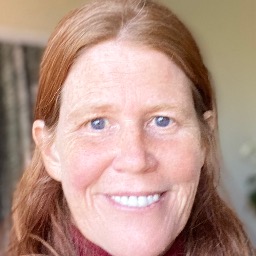
About Natalie
Natalie Knight is an LCSW who centers therapy on building a trusting relationship. She focuses on what matters most in the moment and helps people notice how emotions show up in their lives. Her style aims to help clients let go of old habits and move toward healthier patterns they want to live by.
Natalie uses a person-centered stance that treats each person as the best authority on their own life.
Background and approach
She asks questions, reflects what she hears, and helps people uncover the beliefs that get in the way of feeling calm and capable. Sessions are conversational and grounded in the client’s goals. She also integrates evidence-informed methods such as eye movement desensitization and reprocessing to address traumatic memories and stuck beliefs.
Cognitive approaches are used to identify unhelpful thinking and try different ways of responding. Emotion-focused elements help people sit with strong feelings and learn new ways to relate to them. With 13 years of experience, Natalie has worked with a wide range of concerns including stress, anxiety, grief, depression, addictions, ADHD, and career transitions.
She also supports people facing caregiver strain, cancer-related stress, aging issues, and end-of-life questions. Her approach blends practical skills with gentle exploration of meaning and values. Natalie offers sessions from Arizona and meets with clients in English.
She accepts international clients and provides video, phone, chat, and text-based messaging options to fit different needs and schedules.
Using talk therapy and EMDR online
Natalie blends client-centered therapy with cognitive behavioral work to help people change patterns that cause stress or anxiety. Client-centered work means the conversation follows what matters to the person, with the therapist reflecting and asking questions to surface what feels stuck. CBT focuses on identifying unhelpful thoughts and trying practical alternatives to reduce distress and improve daily coping.She also uses EMDR for people who want to work on traumatic memories and deeply held beliefs. EMDR involves guided bilateral stimulation alongside focused recall of troubling memories to help reduce their emotional hold. These approaches can be adapted to remote sessions and are chosen together based on each person's goals.
Finding the right approach is collaborative. The therapist will talk through options, try methods that fit current needs, and adjust based on progress and preferences. Clients help steer which techniques feel most useful as therapy continues.
Online sessions are offered by video, phone, live chat, or text-based messaging to fit different schedules and situations. Video is useful for in-depth conversation and EMDR work, phone calls can be simpler when bandwidth is limited, and messaging provides shorter check-ins or ongoing support between appointments. This range makes it easier to continue work during busy days or when travel is required.
Frequently asked questions
What issues does she commonly address?
What is her therapeutic style like?
How much experience does she have?
What credentials and location are listed?
In which languages can sessions be held?
What session formats are available?
How does payment and cost work?
What are the first steps to begin therapy?
Specialties and expertise
Top specialties
Also works with
- Addictions
- ADHD
- Aging and geriatric issues
- Anger management
- Cancer
- Career difficulties
- Caregiver issues and stress
- Coaching
- Compassion fatigue
- Control issues
- Coping with life changes
- Depression
- Family conflicts
- Forgiveness
- Hospice and end-of-life counseling
- LGBT
- Obsessions, compulsions, and OCD
- Post-traumatic stress
- Trauma and abuse
- Young adult issues
Therapeutic approaches
- Experience
- 13 years
- Licensed
- Florida, Arizona, California
- Languages
- English