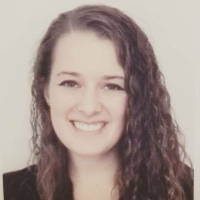
About Morgan
Morgan Ikeorha is a Licensed Clinical Social Worker who helps people facing stress, anxiety, depression, grief, and trauma. She also supports individuals dealing with relationship concerns, self-esteem struggles, eating issues, and career stress. Morgan writes in a warm, direct way and focuses on what a person needs right now.
Morgan brings eight years of clinical experience in a range of settings, including hospice and end-of-life care. That background informs how she talks about loss, caregiving strain, and serious medical concerns.
Background and approach
She is familiar with compassion fatigue and caregiver stress and helps people find ways to cope. Her approach centers on the person in front of her. She uses Client-Centered Therapy to listen and build trust.
Cognitive Behavioral Therapy helps identify unhelpful thoughts and change behaviors. She also draws on Dialectical Behavior Therapy skills and EMDR when trauma work is needed. Sessions are collaborative and practical.
Morgan helps set goals, teaches coping skills, and adjusts plans as needs change. She emphasizes cultural sensitivity and respect in every conversation. People who choose Morgan often want clear strategies and steady emotional support.
She offers guidance for LGBT concerns, bipolar mood challenges, ADHD, intimacy issues, and the stresses that come with life transitions. Morgan aims to help people move toward a more manageable and fulfilling day-to-day life.
How Morgan’s Approaches Work Online
Client-Centered Therapy focuses on listening and creating a respectful, nonjudgmental space so clients can explore what matters most to them. This approach helps with self-esteem, relationship concerns, and deciding next steps in difficult times.Cognitive Behavioral Therapy, or CBT, looks at how thoughts affect feelings and behavior and offers clear techniques to change unhelpful patterns. CBT is often used for anxiety, depression, and stress management because it teaches practical skills that can be practiced between sessions.
Morgan treats finding the right approach as a team effort. She will talk with each person about their needs, goals, and preferences and then suggest approaches to try. Treatment plans are adjusted over time, and clients help decide which techniques feel most useful.
Online therapy lets people fit sessions into busy lives. Video calls allow face-to-face conversation when visual cues matter. Phone sessions can work well when bandwidth is limited or a quieter check-in is needed. Live chat and text-based messaging are useful for shorter check-ins, ongoing coaching, or when someone prefers not to be on camera. These options aim to make therapy more flexible and easier to attend around work, caregiving, and other obligations.
Frequently asked questions
What concerns can Morgan help with?
How would she describe her therapeutic style?
What is Morgan’s clinical background?
What credentials and region are associated with this therapist?
In which languages can sessions be held and are international clients supported?
Which session formats are available?
How does cost and billing work?
What are the first steps to begin working together?
Specialties and expertise
Top specialties
- Stress, Anxiety
- Family conflicts
- Grief
Also works with
- ADHD
- Aging and geriatric issues
- Anger management
- Bipolar disorder
- Body image
- Cancer
- Career difficulties
- Caregiver issues and stress
- Coaching
- Compassion fatigue
- Coping with life changes
- Depression
- Eating disorders
- Intimacy-related issues
- LGBT
- Relationship issues
- Self esteem
- Trauma and abuse
Therapeutic approaches
- Experience
- 8 years
- Licensed
- Tennessee
- Languages
- English