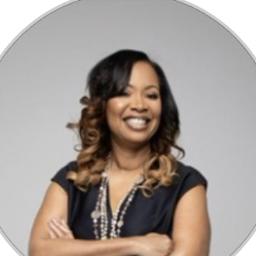
About Monique
Monique Pless-Spaulding meets people where they are and helps them navigate hard life moments. She focuses on grief and coping with life changes, and she listens for the strengths someone already has. Monique holds a Licensed Clinical Social Worker credential, LCSW, and she draws on a decade of clinical experience to offer steady, practical support.
Her approach is straightforward and collaborative. Monique treats sessions as a place to talk through what’s happening now, name the smallest next steps, and build routines that reduce overwhelm.
Background and approach
She emphasizes simple tools that can be used between sessions and practical ways to manage strong emotions. Monique has worked with people affected by first responder stress, HIV and AIDS concerns, and hospice and end-of-life questions. Those focus areas shape how she listens and the kinds of resources she suggests.
Her background also includes supporting people facing anxiety, depression, and relationship endings. She offers talk-based help through video calls, phone sessions, live chat, and text messaging. Sessions are arranged through a subscription model that can be canceled at any time, with scheduling set by therapist availability and location-based pricing.
Monique practices in Georgia and provides services in English. To begin, a person completes a short matching questionnaire and schedules a time that fits their calendar. She aims for clear steps and calm guidance for people dealing with loss or major life transitions.
How therapeutic approaches translate to online care
Many clinicians use evidence-based techniques that focus on present concerns and practical coping skills. One common approach teaches concrete skills for managing strong emotions and daily stressors, helping people break overwhelming problems into small, doable steps. This can help with grief, anxiety, and adapting to life changes.A second approach centers on meaning and life transitions, helping people talk through losses and unfinished business. It guides conversations about values and priorities so someone can make clearer choices during end-of-life planning or after a relationship ends.
Choosing the right method is a joint process. The therapist will work with each person to match techniques to their goals, needs, and comfort level. Plans are adjusted over time based on what helps most, and clients are encouraged to try approaches and give feedback.
Online therapy offers flexible ways to meet. Video calls allow face-to-face conversation and visual cues, phone sessions use less bandwidth and can fit a break at work, and live chat or text messaging supports shorter check-ins or ongoing reflection between longer sessions. These options make it easier to keep therapy consistent around busy schedules and changing life demands.
Frequently asked questions
What kinds of concerns does she help with?
What is her therapeutic style like?
How much clinical experience does she have?
What credentials and location are listed?
Which languages are supported for sessions?
What session formats are available?
How are sessions paid for and what do they cost?
How do I begin working with her?
Specialties and expertise
Top specialties
Also works with
- Experience
- 10 years
- Licensed
- Georgia
- Languages
- English