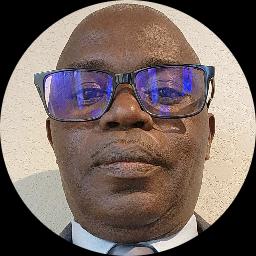
About Michael
Michael Kutosi is a licensed clinical social worker who helps people manage stress, anxiety, addiction challenges, low self-esteem, and depression. He presents himself as a steady presence for people ready to make change. Michael speaks plainly and focuses on small, practical steps that can ease daily life.
He holds a Master of Social Work from the University of Houston and a Master in Theology from Notre Dame Seminary. Michael brings ten years of experience as a clinician in Texas and describes his work as collaborative.
Background and approach
He highlights strengths people already have and uses those strengths to guide change. In sessions he draws from several evidence-based techniques, choosing what fits each person’s needs. He often uses straightforward skill-building, goal-setting, and motivational strategies to help people move through low energy, cravings, worry, or self-doubt.
Conversations tend to focus on real situations and doable steps between meetings. Michael also offers space to talk about forgiveness and learning self-love as part of healing. He frames progress as gradual and practical rather than sudden or dramatic.
His style aims to make therapy feel manageable for people balancing work and everyday responsibilities. People who prefer clear direction and kind accountability may find his approach helpful. He encourages anyone considering change to take the first step and offers guidance on how to do that in ways that match their life and goals.
How evidence-based approaches translate to online care
Michael commonly draws on Cognitive Behavioral Therapy to help people notice and change unhelpful thoughts and habits. That method uses short exercises and practical homework to reduce worry, lift mood, and manage urges.He also uses Motivational Interviewing to strengthen someone’s own reasons for change. This approach focuses on building motivation and setting realistic next steps when someone feels stuck or unsure.
Choosing the right approach is a team effort. The therapist will talk with the person about goals and try methods that match those aims. Over a few sessions they adjust what works best based on progress and preference.
Online sessions are offered as video calls, phone sessions, live chat, or text-based messaging to match different needs. Video is useful for face-to-face conversation and skill practice. Phone calls can be a good option when bandwidth is limited or a simpler check-in is needed. Messaging or live chat works well for short check-ins, brief coaching, or when someone prefers written reflection.
These options make it easier to fit therapy into a busy schedule and to continue work between meetings. Licensed professionals can tailor exercises and homework to the chosen format so progress continues regardless of how sessions are held.
Frequently asked questions
What problems does Michael help with?
What is his therapeutic style like?
How much clinical experience does he have?
What credentials and location are listed?
Which languages are available for sessions?
What session formats are offered?
How is cost handled for sessions?
How do I begin working with him?
Specialties and expertise
Top specialties
Also works with
- Experience
- 10 years
- Licensed
- Texas
- Languages
- English