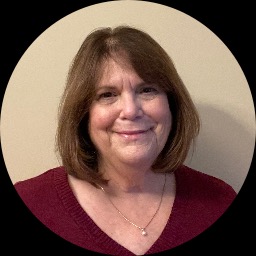
About Mary
Mary Frances Hudson is a licensed clinical social worker with 35 years of experience helping people facing stress, anxiety, trauma, grief, and depression. She meets clients where they are and focuses on practical steps to feel steadier in day-to-day life. Her approach centers on the person’s strengths and goals rather than labels or quick fixes.
In sessions she listens first and then helps people notice what matters most to them.
Background and approach
She uses clear tools for managing intense feelings and for responding differently to painful memories. Therapy can include practice between sessions so new habits take hold. Mary Frances draws on several evidence-based ways of working, including Acceptance and Commitment Therapy, Cognitive Behavioral Therapy, and Client-Centered Therapy.
She adapts methods to the person in front of her instead of following a one-size-fits-all plan. This helps address concerns such as panic attacks, mood swings, and problems with impulsivity. She also supports people dealing with relationship strains, codependency, caregiver stress, substance concerns, and issues related to sexual assault or domestic violence.
Her work includes helping people process guilt, shame, attachment questions, and end-of-life issues. Mary Frances is licensed as an LCSW in Indiana and California. Sessions are offered in English and are available through video, phone, live chat, or text messaging.
Approaches that translate to online care
Acceptance and Commitment Therapy (ACT) helps people clarify their values and take small actions toward a more meaningful life. It is useful for anxiety, depression, and coping with major life changes. Cognitive Behavioral Therapy (CBT) focuses on changing unhelpful thoughts and behaviors through practical exercises and homework, which can reduce panic attacks and low mood. Client-Centered Therapy emphasizes a supportive, nonjudgmental relationship so people feel heard and can explore their own solutions.Finding the right approach is part of the work together. The therapist will discuss goals, try tools, and adjust methods based on what feels most helpful. This is a collaborative process that respects personal preferences and the pace someone needs.
Online sessions are offered by licensed professionals via video calls, phone sessions, live chat, or text-based messaging. Video is good for face-to-face conversation and teaching skills. Phone sessions can be easier when bandwidth or camera use is difficult. Live chat and text-based messaging work well for brief check-ins, ongoing support, or when someone prefers writing to speaking. These options make it easier to fit therapy into busy schedules and to continue care when travel or timing is a barrier.
Frequently asked questions
What kinds of problems does she help with?
What is her style in sessions?
How much experience does she have?
What credentials and locations are listed?
In which languages can sessions be held?
What session formats are available?
How are fees handled?
How do I begin working with her?
Specialties and expertise
Top specialties
Also works with
- Attachment issues
- Caregiver issues and stress
- Codependency
- Communication problems
- Coping with life changes
- Depression
- Domestic violence
- Drug and alcohol addiction
- Family problems
- Guilt and shame
- HIV / AIDS
- Hospice and end-of-life counseling
- Impulsivity
- Mood disorders
- Panic disorder and panic attacks
- Post-traumatic stress
- Sexual assault and abuse
- Young adult issues
Therapeutic approaches
- Experience
- 35 years
- Licensed
- California, Indiana
- Languages
- English