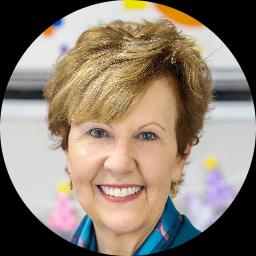
About Mary
Mary Elizabeth Callahan brings four decades of social work experience to her practice. She holds a Masters in Social Work and is a Licensed Clinical Social Worker, LCSW, practicing in Texas. Her background includes long-term work supporting adults facing serious health changes and the people around them.
She writes plainly and meets people where they are. Her career began in a small town and included time as a school social worker.
Background and approach
Over the years she helped adults with kidney disease adjust to new routines and roles. That work shaped her focus on coping with life changes and managing stress and anxiety. Mary centers sessions on practical strengths.
She helps clients identify what already works for them and build on those skills. Conversations often cover communication problems, control issues, and repairing trust or forgiveness where it matters. She also supports people working through grief and questions of life purpose.
Relationship concerns and self-esteem come up frequently in her work. Sessions aim to make small, useful changes that fit daily life. Mary uses clear, straightforward language in sessions.
She values steady listening and helping people find realistic next steps. If someone wants help making a plan, improving communication, or coping with a major life shift, she focuses on simple, doable tools.
Approaches that guide online support
Mary draws on evidence-based therapeutic techniques that focus on practical change. One approach emphasizes building on strengths and daily routines to reduce stress and manage anxiety; it helps people find small, steady habits that improve mood and functioning. Another approach focuses on communication skills and problem-solving to ease relationship strain and address control issues, using role practice and clear feedback to try new ways of interacting. Finding the right approach is part of the work together. The therapist will collaborate with the person to pick methods that fit their goals, needs, and preferences. That means checking in about what helps, adjusting methods when needed, and planning concrete steps that feel doable. Online sessions are offered by video calls, phone, live chat, or text-based messaging to match different needs. Video calls let people use visual connection for deeper conversation. Phone sessions are useful when bandwidth or camera use is a concern. Live chat and text messaging make it easier to check in between sessions or fit brief items into a busy day. These options make scheduling more flexible and help people keep therapy consistent around work, family, and other obligations.Frequently asked questions
What concerns does she address?
What is her therapeutic style?
How much experience does she have?
What are her credentials and location?
Which languages are supported?
What session formats are available?
How does cost and billing work?
How do I begin working with her?
Specialties and expertise
Top specialties
- Stress, Anxiety
- Relationship issues
- Grief
Also works with
- Experience
- 40 years
- Licensed
- Texas
- Languages
- English