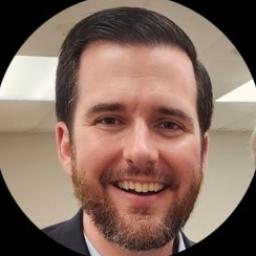
About Markus
Markus Carter helps people who are struggling with stress, anxiety, addictions, low self-esteem, bipolar disorder, and depression. He names mood disorders as an additional focus. Markus writes plainly and keeps sessions focused on the concerns people bring in.
He aims to create an open, nonjudgmental space where clients can talk about thoughts and feelings. Conversations are practical and direct. Sessions often include looking at patterns, setting small goals, and building coping strategies that fit daily life.
Background and approach
Markus is a Licensed Clinical Social Worker. He holds a Texas LCSW credential and brings three years of professional experience to his practice. That background shapes how he listens and plans next steps with each person.
The first visits typically focus on what feels most urgent and what a client hopes to change. From there he works with people to try different approaches and see what helps in real time. Progress is tracked in simple, measurable ways so clients notice changes.
Therapy is offered through a mix of remote formats. Markus encourages people to start with one brief step and decide from there what form of support fits best. He reminds new clients that taking the first step already shows strength.
Evidence-based approaches and online support
Markus uses evidence-based therapeutic techniques that focus on practical change. One common approach is skills-based work that teaches coping strategies for anxiety and mood swings, such as breathing, activity planning, and problem-solving. This helps people manage day-to-day symptoms and lower stress levels.Another frequent focus is behavior-focused work aimed at addictions and depression. Sessions look at triggers, build alternative routines, and set small measurable goals to reduce harmful patterns and increase positive activities. These steps are concrete and meant to be practiced between sessions.
Choosing the right approach happens together. Markus will talk with a client about problems, goals, and preferences and then suggest methods to try. The plan can be adjusted as progress is tracked, so therapy stays aligned with what actually helps.
Online therapy offers flexible ways to keep therapy consistent. Video calls let people have face-to-face conversation when longer interaction is helpful. Phone sessions work well when bandwidth is limited or a shorter check-in is needed. Live chat and text-based messaging are useful for quick updates, brief reflections, or times when writing feels easier than speaking. These options make it simpler to fit therapy into a busy life and keep momentum between sessions.
Frequently asked questions
What concerns does Markus focus on?
How would you describe his therapeutic style?
What is his professional background?
What credentials and location are listed?
Which languages are sessions offered in?
What session formats are available?
How is cost handled?
How do I begin working with him?
Specialties and expertise
Top specialties
Also works with
- Bipolar disorder
- Depression
- Mood disorders
- Experience
- 3 years
- Licensed
- Texas
- Languages
- English