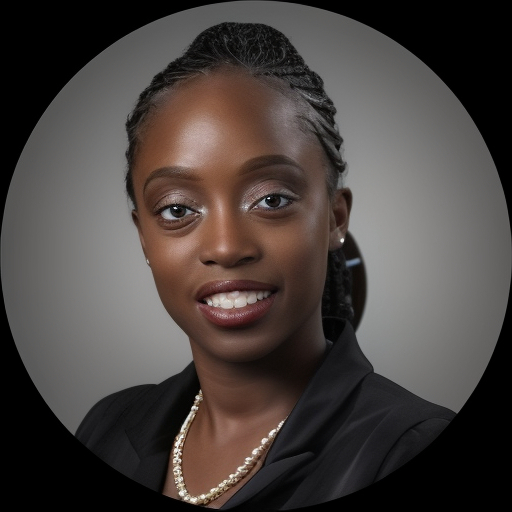
About Marissa
Dr. Marissa Goldman uses Cognitive Behavioral Therapy as a practical way to help people manage stress and anxiety. She is a Licensed Clinical Social Worker, LCSW, and works with clients who feel stretched thin and overwhelmed.
Her style is straightforward and compassionate and she helps people find concrete tools for day-to-day life. She supports people dealing with parenting strain, caregiver stress, and the pressure of trying to hold everything together.
Background and approach
Topics often include low self-esteem, communication problems, life purpose questions, and coping with big life changes. She also addresses post-traumatic stress symptoms and concerns many people label under women’s issues and self-love. Sessions focus on identifying unhelpful thinking and testing new behaviors.
She helps clients spot patterns that fuel anxiety and burnout and then practices steps to change them. Work can include short skills practice, problem-solving, and clearer communication strategies. Dr.
Goldman draws on six years of clinical experience to tailor practical interventions to each person’s needs. She pays attention to the personal stories people bring and balances structure with a warm, human approach. Clients who want coaching-style guidance alongside therapy often find this helpful.
She offers sessions by video call, phone, live chat, or text-based messaging to fit different schedules and preferences. People start by completing a short matching questionnaire and scheduling a time that works for them.
CBT and practical care online
Dr. Goldman uses Cognitive Behavioral Therapy to help people notice the thoughts that feed anxiety and burnout. CBT involves naming unhelpful thinking, testing out different beliefs, and practicing small behavior changes that make daily life easier. It is useful for stress, anxiety, low self-esteem, and adjusting to life changes.She blends CBT with a supportive, collaborative approach so the work fits each person's goals. Finding the right approach is part of the process - the therapist and client decide together which tools to try based on needs, preferences, and progress. This keeps sessions focused and relevant to what a person wants to change.
Online sessions are offered by video call, phone, live chat, or text-based messaging to provide flexibility. Video calls let people work face-to-face when that is helpful. Phone sessions can be easier when bandwidth is limited or for a shorter check-in. Live chat and text-based messaging allow for ongoing support between longer sessions. These options help make consistent therapy more possible around work, caregiving, and busy days.
Frequently asked questions
What kinds of concerns are addressed?
What is her therapeutic style?
How much clinical experience does she have?
What credentials and location are listed?
Which languages are supported?
Are international clients supported?
What session formats are available?
How is cost and getting started handled?
Specialties and expertise
Top specialties
- Stress, Anxiety
- Parenting issues
- Self esteem
Also works with
Therapeutic approaches
- Experience
- 6 years
- Licensed
- Illinois, Minnesota, New Hampshire
- Languages
- English