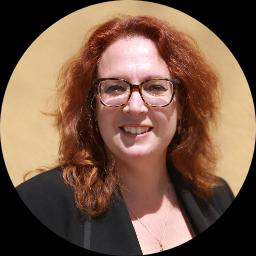
About Margaret
Dr. Margaret Vald brings two decades of social work experience to her practice in New York. She is a Licensed Clinical Social Worker (LCSW) who helps people manage stress, anxiety, grief, anger, and depression.
She talks plainly and listens closely so clients can describe what’s wearing them down and find clearer next steps. Her background includes long experience in healthcare and geriatric settings. That work informs how she supports people facing aging, chronic illness, and caregiving challenges.
Background and approach
She also offers help with immigration-related stress and questions about life purpose. Sessions focus on practical skills and steady problem-solving. Conversations aim to make feelings easier to name and respond to, and to develop small changes that fit day-to-day life.
She works in English and Russian to help clients express themselves in the language they prefer. Dr. Vald uses evidence-based therapeutic techniques appropriate to each person’s needs.
She describes therapy as a collaborative process where goals are set together and progress is checked regularly. Her manner is calm and straightforward, and she encourages realistic plans that people can try between sessions. To begin, clients complete a short matching questionnaire and arrange sessions that suit their schedules.
Therapy options include video calls, phone sessions, live chat, and text-based messaging, allowing flexible ways to stay connected.
Approaches that guide online sessions
Dr. Vald uses evidence-based techniques focused on practical change. One common approach is cognitive behavioral methods, which look at how thoughts influence feelings and actions and teach straightforward tools to reduce anxiety and low mood. Another approach centers on coping strategies for chronic illness and aging, helping people manage symptoms, everyday tasks, and difficult transitions with step-by-step plans.Choosing the right approach happens together. The therapist will talk with the client about goals, daily routines, and what feels realistic. Together they decide which techniques to try and adjust the plan as progress is made, making therapy a collaborative process rather than a one-size-fits-all prescription.
Online therapy makes that collaboration easier to fit into busy lives. Video calls let clients and the therapist work face to face when visual cues matter. Phone sessions can be a good option when bandwidth is low or a session needs to fit into a short break. Live chat and text-based messaging are useful for quick check-ins, homework support, or when someone prefers writing over speaking. These formats offer flexibility so therapy can continue around work, caregiving, or health needs.
Frequently asked questions
What concerns does this therapist help with?
What is her style in sessions?
How much experience does she have?
What are her credentials and where is she based?
Which languages are supported during sessions?
What session formats are offered?
How does pricing and payment work?
How do I start therapy with her?
Specialties and expertise
Top specialties
- Stress, Anxiety
- Grief
- Anger management
Also works with
- Experience
- 20 years
- Licensed
- New York
- Languages
- English, Russian